When you’re preparing for a trip, keeping your belongings safe is probably at the top of your mind. But have you ever wondered how airport security checks your luggage without breaking your lock?
That’s where a TSA lock comes in. If you’re curious about what a TSA lock is and how it works to protect your bags while still allowing security inspections, you’re in the right place. You’ll discover exactly how these special locks keep your travel stress-free and your belongings secure.
Ready to unlock the mystery behind TSA locks? Let’s dive in!
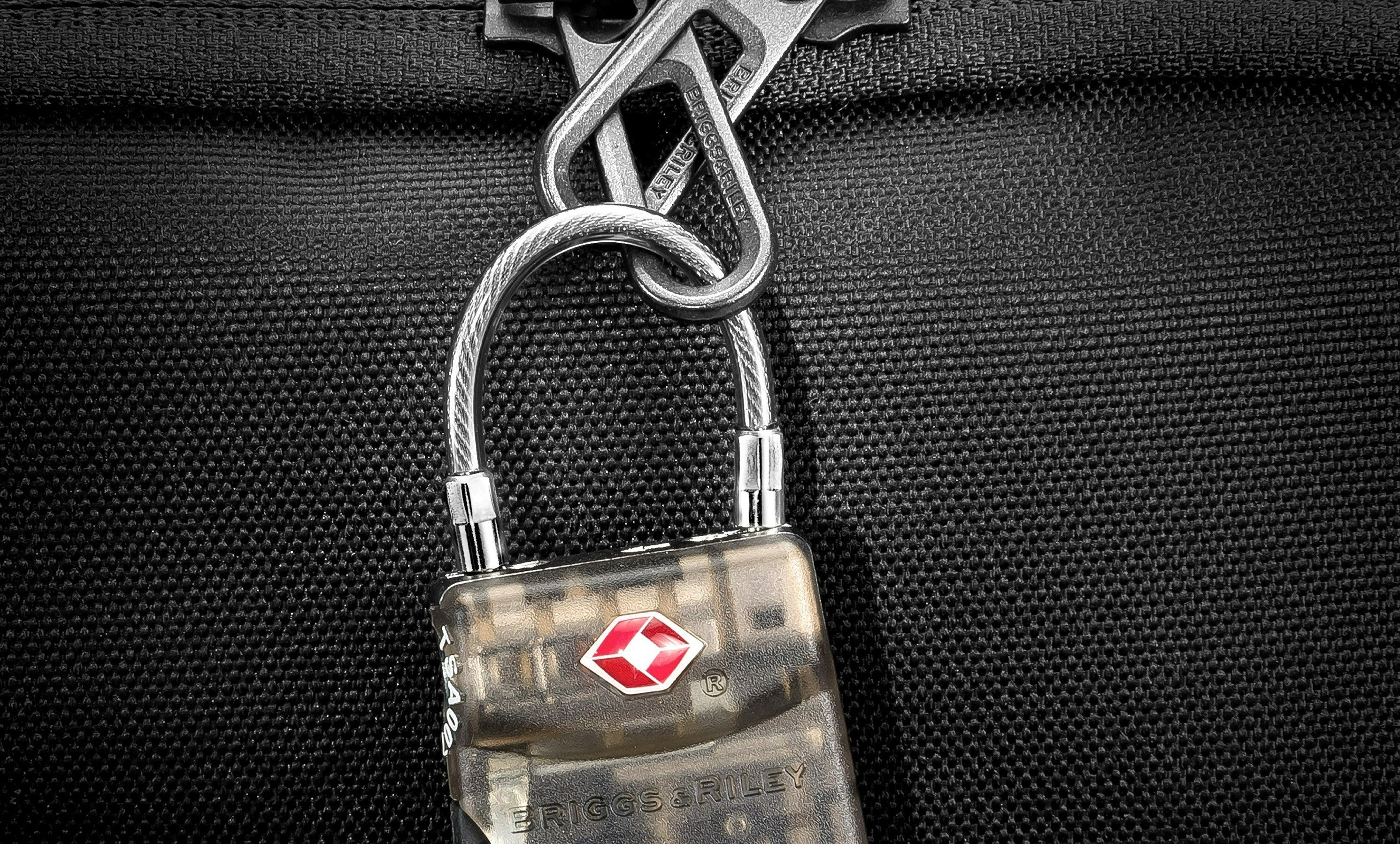
Credit: www.briggs-riley.com
Tsa Lock Basics
TSA locks are common on many travel bags today. They provide a special way to secure luggage. These locks balance safety and easy access for security checks. Understanding TSA lock basics helps travelers keep their belongings safe.
Using the right lock can prevent damage during airport inspections. TSA locks allow authorized agents to open bags without breaking the lock. This feature is important for smooth and secure travel.
What Is A Tsa Lock
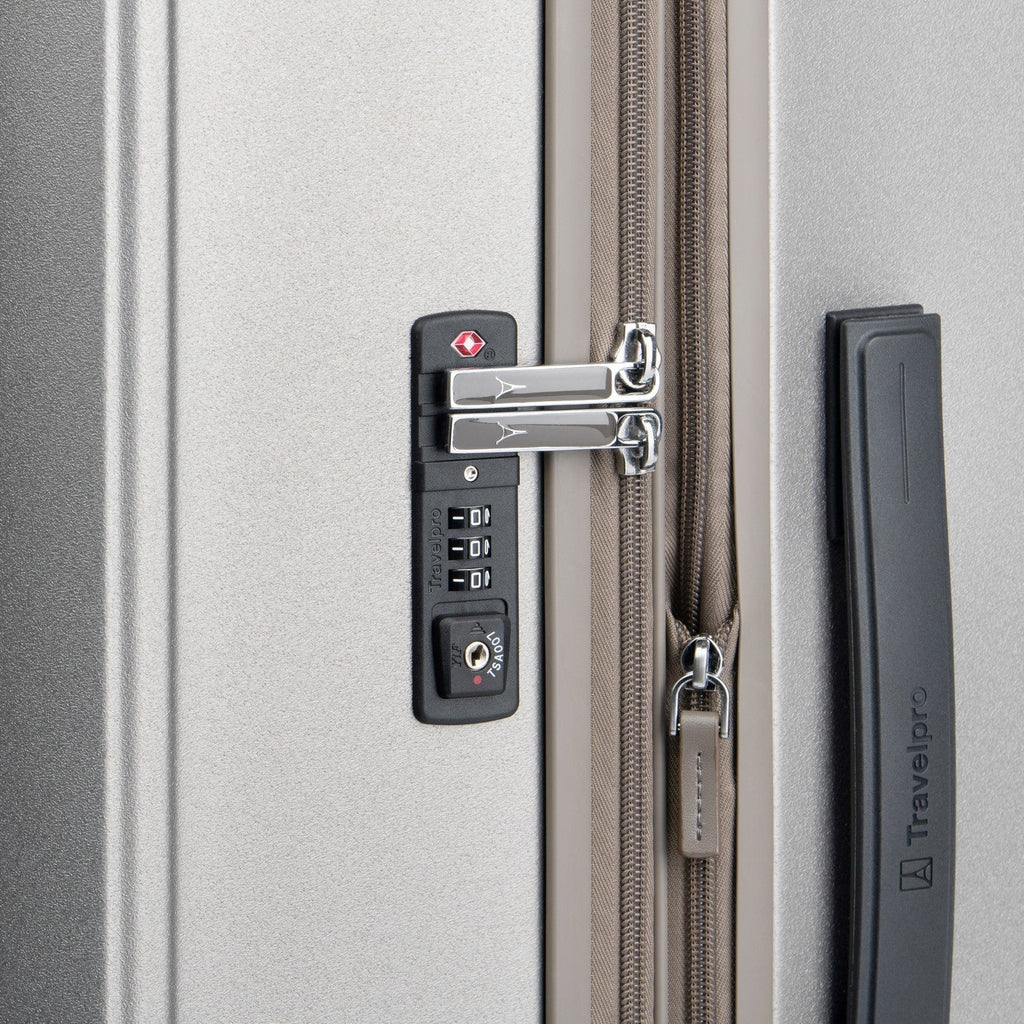
A TSA lock is a luggage lock approved by the Transportation Security Administration. It has a unique design with a keyhole for TSA agents. This keyhole allows them to open the lock using a master key. Travelers set their own combination to secure their bags. The lock can be opened by the owner or TSA agents when needed. This system helps protect luggage while allowing security checks.
Why Tsa Locks Matter
Travel security is a top concern for many people. TSA locks help by letting agents inspect luggage without damage. Without TSA locks, officers might cut or break locks during checks. This can ruin bags and cause stress. Using TSA locks reduces this risk. They keep luggage safe and help speed up airport security processes. TSA locks also give travelers peace of mind during their trips.
How Tsa Locks Work
TSA locks provide a special way to secure your luggage during travel. These locks let you lock your bag while allowing airport security to check it without damage. Understanding how TSA locks work helps you travel with peace of mind.
Standard Lock Mechanism
Most TSA locks use a simple lock mechanism similar to regular luggage locks. You can set a combination or use a key to secure your bag. When locked, the mechanism keeps your zipper or latch firmly closed.
This basic mechanism ensures only you or someone with the correct code or key can open it. It protects your belongings from casual theft or accidental opening.
Tsa Master Key Access
What makes TSA locks unique is the special access for security officers. TSA agents have a master key that fits all TSA-approved locks. This key lets them open your lock during security checks without breaking it.
This system prevents damage to your luggage while allowing thorough inspection. Your lock stays intact, and your bag is secure after the check.
Combination Code Setup
Many TSA locks use a combination code instead of a key. You can set your own code, usually a three or four-digit number. This code opens the lock when entered correctly.
To change the code, follow the lock’s instructions carefully. Setting a code only you know keeps your luggage safe. Always remember your code or keep it written in a secure place.
Benefits Of Tsa Locks
TSA locks offer several advantages for travelers. They improve luggage safety and ease security checks. These locks help avoid damage and delays during travel. Below are some key benefits of using TSA locks.
Enhanced Luggage Security
TSA locks add a strong layer of protection to your luggage. Only you and TSA agents can open them. This prevents unauthorized access by others. Your belongings stay safe from theft or tampering. It gives peace of mind while traveling.
Smooth Security Checks
Security officers have special keys to open TSA locks. They can inspect your bags without breaking the lock. This speeds up the screening process at airports. You avoid delays caused by forced lock removal. Travel becomes easier and less stressful.
Damage Prevention
Without TSA locks, security agents may cut open your bags. This can ruin your luggage or locks. TSA-approved locks prevent such damage during inspections. Your suitcase and lock stay intact and usable. It saves money on repairs or replacements.

Credit: www.youtube.com
Types Of Tsa Locks
TSA locks come in different styles to suit various travel needs. Each type offers unique features while complying with TSA regulations. Choosing the right TSA lock helps protect your luggage and eases security checks.
Keyed Tsa Locks
Keyed TSA locks use a small key to open and close. Travelers keep the key to lock their bags. TSA agents have a master key to unlock these locks during inspections. These locks are simple and reliable for many users.
Combination Tsa Locks
Combination TSA locks open with a number code instead of a key. Users set a personal code for easy access. TSA agents use a master key to open the lock if needed. These locks are convenient and eliminate the need to carry keys.
Cable Tsa Locks
Cable TSA locks use a flexible steel cable to secure luggage. The cable loops through zippers or handles to lock the bag. They often come with a combination or key mechanism. These locks offer more flexibility for different luggage types.
Setting And Resetting Tsa Locks
Setting and resetting TSA locks is essential for protecting your luggage. These locks allow TSA agents to inspect your bags without breaking the lock. Learning how to set and change the combination keeps your belongings safe and accessible only by you and authorized personnel.
Initial Setup
Most TSA locks come with a default code, usually 0-0-0. Start by aligning the dials to this code. Press the reset button or move the reset lever, depending on your lock model. Set your desired combination by turning the dials. Release the reset button or lever to save the new code. Test the lock by locking and unlocking it with your chosen combination.
Changing The Combination
Open the lock using your current code. Locate the reset button or lever inside the lock mechanism. Press or slide it to enter reset mode. Turn the dials to your new combination. Release the button or lever to confirm the change. Always double-check your new code before closing the lock. This prevents being locked out of your luggage during travel.
Tips For Secure Codes
Avoid simple codes like 1-2-3 or 0-0-0. Use a mix of numbers that are easy for you to remember but hard for others to guess. Do not use birthdays or repetitive numbers. Write down your combination and keep it in a safe place. Change your code regularly for added security. This helps protect your luggage from theft or unauthorized access.
Credit: travelpro.com
Common Tsa Lock Myths
TSA locks are common for travelers. They offer convenience and security. Still, many myths surround these locks. Knowing the facts helps you make the right choice. Here are some common myths about TSA locks.
Are Tsa Locks Unbreakable?
TSA locks are not unbreakable. They are designed for convenience, not ultimate security. A determined thief can break them. TSA locks mainly prevent accidental openings. They allow TSA agents to check luggage without damage.
Can Anyone Open Tsa Locks?
Not just anyone can open TSA locks. Only TSA agents have the special master keys. These keys open all TSA-approved locks. Travelers cannot use these keys. This system helps security staff inspect luggage safely.
Security Limitations
TSA locks have security limits. They protect against casual tampering but not skilled thieves. The master key system can be a weakness. Some TSA locks can be picked or bypassed. Use TSA locks as one part of your security plan.
Using Tsa Locks During Travel
Using TSA locks during travel offers peace of mind and convenience. These locks secure your luggage while allowing airport security to inspect your bags without damage. Travelers benefit from added security and smoother airport procedures. Understanding how to handle TSA locks helps avoid stress during your journey.
Airport Security Procedures
Airport security agents use special keys to open TSA locks. These keys let them inspect luggage without breaking the lock. If security needs to check your bag, they open it, inspect it, then lock it again. This process saves time and keeps your belongings safe. TSA locks help maintain security while following airport rules.
What To Do If Tsa Opens Your Lock
If TSA opens your lock, you may notice a small inspection tag inside your bag. This tag shows the bag was checked. Your lock will be re-locked after inspection. Check your luggage carefully before leaving the airport. Make sure everything is in place and the lock works correctly. Report any damage to the airline immediately.
Handling Lost Or Forgotten Combinations
Lost or forgotten combinations can cause travel delays. Keep your combination written in a safe place. If you forget it, try common codes like 000 or 123. Some TSA locks have reset options—check your lock’s manual. For stubborn locks, contact the lock manufacturer or a locksmith. Avoid forcing the lock to prevent damage to your luggage.
Alternatives To Tsa Locks
Travelers often seek alternatives to TSA locks for various reasons. Some want stronger security, while others prefer high-tech options. Exploring other choices helps find what fits best.
Non-tsa Approved Locks
Non-TSA approved locks offer more security against unauthorized access. They do not have a master key for TSA agents. This means security personnel might need to cut them if inspection is necessary. These locks come in many styles, like combination or key locks. They provide peace of mind for those worried about master keys.
Smart Luggage Security Options
Smart luggage options include electronic locks and tracking devices. These locks open with apps or biometric data like fingerprints. Some smart locks alert owners if luggage moves unexpectedly. GPS trackers help locate lost bags quickly. These tech options increase control and security during travel.
When To Consider Other Methods
Choose alternatives if you travel outside the U.S. often. TSA locks mainly work in the United States. For international trips, other countries may not recognize TSA approval. Also, consider other methods if you want stronger protection. Non-TSA locks or smart options might suit your needs better. Always weigh convenience against security needs before deciding.
Frequently Asked Questions
What’s The Point Of A Tsa Lock?
A TSA lock lets security agents open luggage for inspection without damage. Travelers set their own codes for easy, secure access.
Can Anyone Open My Tsa Lock?
TSA locks have a universal master key used only by TSA agents. Others cannot open them without damaging the lock.
How Do Tsa Agents Open Tsa Locks?
TSA agents open TSA locks using a universal master key designed exclusively for authorized security personnel. This key fits a special lock slot. It allows them to inspect luggage without breaking the lock, ensuring security and convenience during travel.
Can Tsa Locks Be Opened Without A Key?
TSA locks open with a universal key held by TSA agents. Without the key, opening them is difficult but possible using specific tools.
Conclusion
TSA locks help keep your luggage safe during travel. They let security officers open bags without damage. Only TSA agents have special keys to access these locks. Using a TSA lock means smoother airport checks and less worry. Choose a TSA-approved lock for safer, easier trips.
Simple and practical for all travelers.