If you’re using a CPAP machine, you know that getting a good night’s sleep can sometimes feel like a challenge. The mask, the pressure, the noises—all of it can make falling asleep harder than it should be.
But what if you could learn the best way to sleep with your CPAP, so you wake up feeling refreshed and energized every morning? This guide is made just for you. You’ll discover simple tips to make your mask more comfortable, tricks to adjust to the pressure, and small changes in your routine that can transform your sleep experience.
Keep reading, because better sleep with CPAP is not just possible—it’s within your reach.
Cpap Mask And Equipment Tips
Using a CPAP machine can improve sleep quality for many with breathing issues. Proper mask and equipment care enhances comfort and effectiveness. Small changes can make a big difference during the night.
This section covers essential tips to improve your CPAP experience. Focus on fit, comfort, and cleanliness to get the best results.
Ensuring Proper Mask Fit
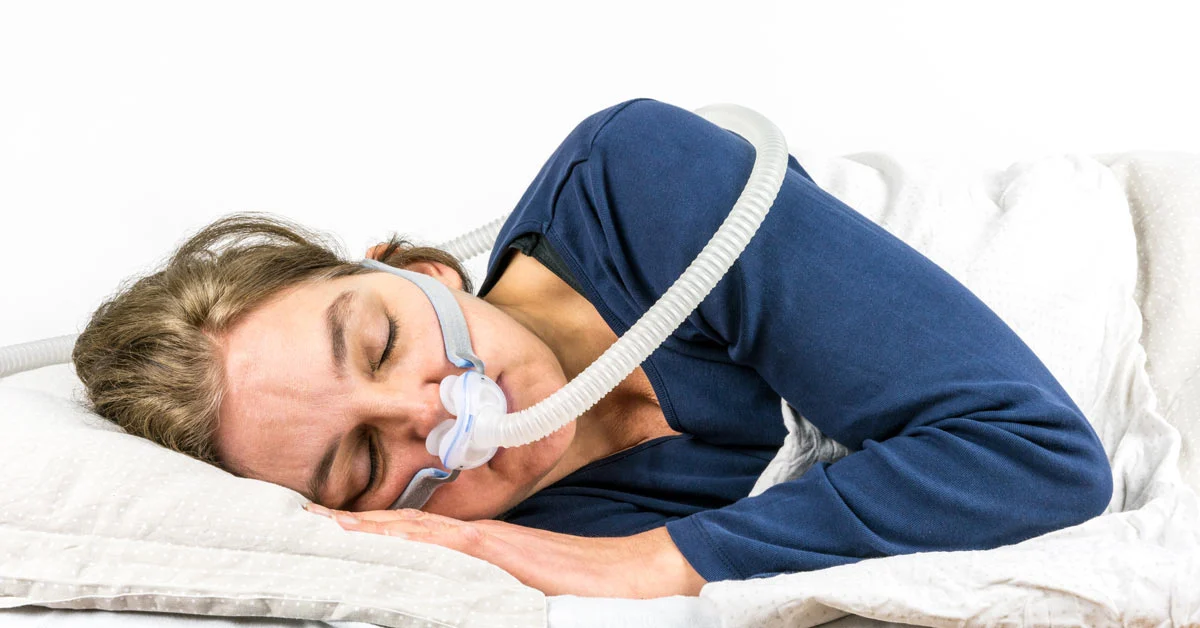
A good mask fit stops air leaks and skin irritation. Adjust straps gently to avoid tightness. Replace cushions often to keep a secure seal. Try different mask styles to find what suits your face shape best. A well-fitted mask feels comfortable and stays in place all night.
Using Humidifiers And Heated Tubes
Humidifiers add moisture to the air, reducing dryness in your nose and throat. Heated tubes stop condensation inside the hose, known as “rainout.” This keeps air warm and comfortable. Using these features can prevent irritation and improve sleep quality.
Choosing The Right Cpap Pillow
CPAP pillows have special cutouts for masks and hoses. They allow more sleeping positions without mask pressure. These pillows reduce mask leaks and help avoid discomfort. Using the right pillow supports your head and neck properly while using CPAP.
Chin Straps And Mouthpieces
Mouth breathing causes air leaks and dry mouth. Chin straps gently hold your mouth closed during sleep. Mouthpieces or dental guards also help keep your mouth shut. These accessories improve therapy by maintaining proper airflow through the nose.
Maintaining Equipment Cleanliness
Clean your mask, tubing, and humidifier daily to stop bacteria growth. Use mild soap and warm water for washing. Dry parts completely before use. Regular cleaning prevents infections and keeps your device working well. Replace parts as recommended by the manufacturer.
Credit: www.sleepfoundation.org
Adapting To Cpap Comfortably
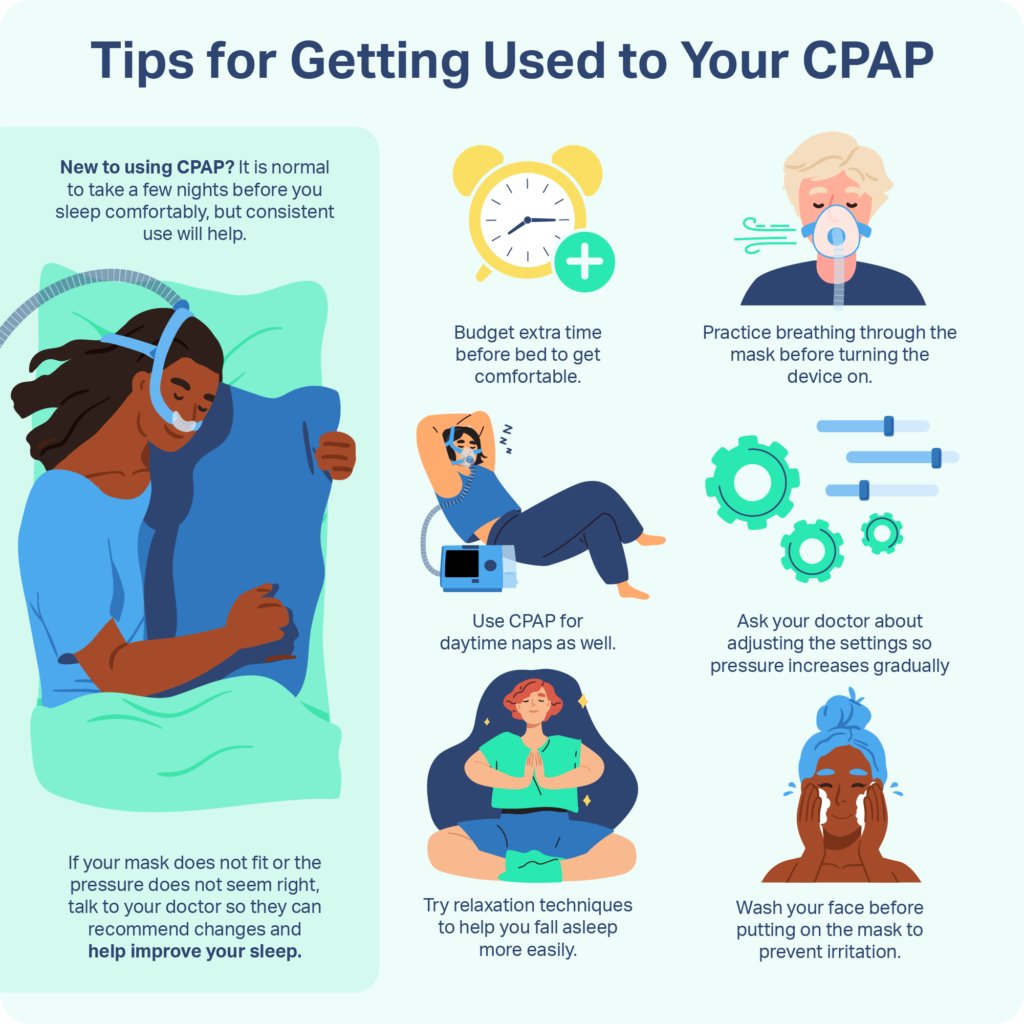
Adjusting to CPAP therapy takes time and patience. Comfort is key to making it work. Small steps help your body accept the mask and pressure. Practice and proper habits reduce discomfort and improve sleep quality.
Focus on ways to ease the transition. Try wearing the mask during the day. Use machine features designed for comfort. Find the best sleep position to support your treatment.
Wearing The Mask While Awake
Start by wearing the mask for short periods while awake. Read a book or watch TV with it on. This helps your mind get used to the feeling. It also prevents surprise discomfort at bedtime. Try to relax and breathe normally. Gradual exposure reduces anxiety and mask resistance.
Utilizing The Ramp Feature
The ramp feature starts pressure low and slowly increases it. This helps you fall asleep with less air pressure. The machine senses when you are asleep and adjusts accordingly. Using ramp makes the start of therapy gentle and less disturbing. Set the ramp time to match how long it takes to fall asleep.
Optimizing Sleep Position
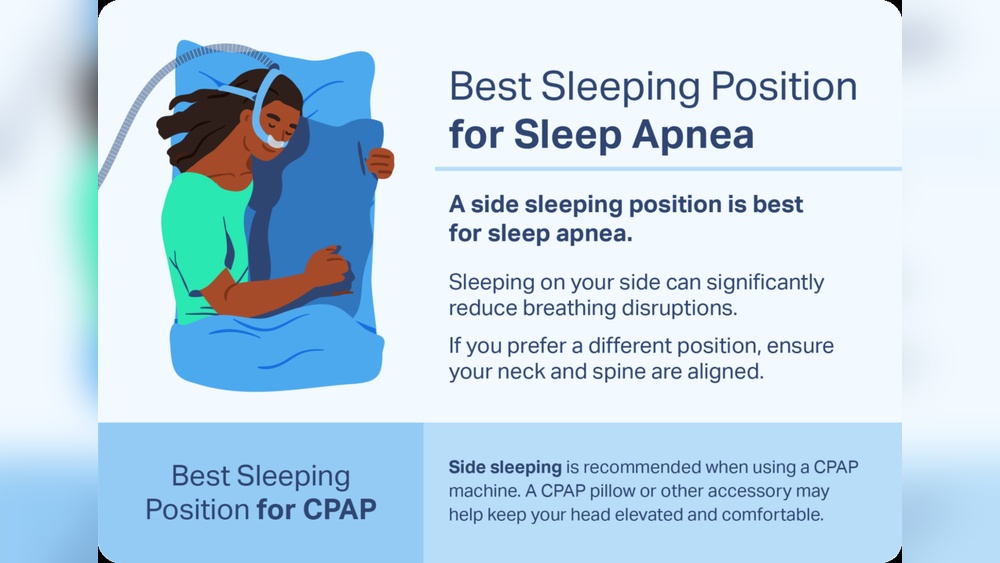
Side sleeping often works best with CPAP. It keeps airways open and reduces mask leaks. Use pillows to support your head and neck comfortably. Avoid sleeping on your stomach, which can press the mask. Elevate your upper body slightly if needed. Proper position enhances airflow and comfort throughout the night.
Lifestyle Changes For Better Sleep
Improving sleep with a CPAP machine involves more than just the device. Lifestyle changes play a key role in making sleep easier and more restful. Small daily habits can boost comfort and help you adjust to using CPAP.
These changes support better breathing, reduce discomfort, and create a calm environment. Focus on routines and habits that prepare your body and mind for sleep. Consistency helps your body accept CPAP as part of your nightly rest.
Establishing Sleep Hygiene
Good sleep hygiene means creating habits that support natural sleep. Keep a regular sleep schedule by going to bed and waking up at the same time daily. This trains your body clock and improves sleep quality.
Make your bedroom quiet, dark, and cool. Remove devices that emit light or noise. Avoid caffeine and heavy meals before bedtime. These steps reduce interruptions and make it easier to fall asleep with CPAP.
Creating A Relaxing Bedtime Routine
A calming routine signals your body that bedtime is near. Try reading a book, listening to soft music, or taking a warm shower before bed. Avoid screens at least 30 minutes before sleep to prevent alertness.
Relaxation helps lower stress and prepares you to wear the CPAP mask comfortably. Deep breathing or gentle stretches can ease tension and improve airflow when you sleep.
Building Cpap Usage Consistency
Use your CPAP machine every night, even for naps. Regular use helps your body adjust faster. Wear the mask for short periods while awake to get used to the feel.
Clean your equipment daily to avoid discomfort or infections. Adjust mask fit as needed to prevent leaks. Consistent use reduces side effects and makes sleeping with CPAP natural.
Credit: my.clevelandclinic.org
Credit: www.apria.com
Frequently Asked Questions
How Do I Get A Good Night Sleep With My Cpap Machine?
Wear your mask while awake to adapt. Use a humidifier and heated tube for comfort. Ensure a snug mask fit to prevent leaks. Clean equipment regularly. Maintain consistent sleep routines and avoid caffeine before bed. Use CPAP pillows or chin straps for better support and comfort.
What Is The 4 Hour Rule For Cpap Machines?
The 4-hour rule for CPAP means using the machine at least four hours nightly. This ensures effective sleep apnea treatment and insurance compliance.
What Is The 3% Rule For Sleep Apnea?
The 3% rule for sleep apnea means oxygen levels drop by at least 3% during apnea events. It helps diagnose severity.
What Is The Safest Way To Sleep If You Have Sleep Apnea?
Sleep on your side to keep airways open. Use a well-fitted CPAP mask with a humidifier for comfort. Maintain clean equipment and a consistent sleep routine. Employ CPAP pillows or chin straps if needed. Gradually adapt by wearing the mask while awake and use the ramp feature to ease pressure.
Conclusion
Sleeping well with a CPAP takes time and patience. Start by wearing the mask while awake to get used to it. Keep your mask clean and ensure a good fit to avoid leaks. Use a humidifier and heated tube for comfort.
Try sleeping on your side and use a CPAP pillow to ease pressure. Stick to a regular sleep schedule and avoid caffeine before bed. Use the ramp feature to ease into therapy. Consistent use every night helps your body adjust.
Good habits lead to better sleep and health with CPAP.