Imagine drifting off to sleep effortlessly, waking up feeling truly refreshed and sharp. What if a simple tool could help you achieve this every night?
A sleep mask does exactly that by blocking out light, signaling your brain it’s time to rest deeply. Whether you struggle with noisy city lights, irregular work hours, or just want to boost your sleep quality, understanding the benefits of a sleep mask can transform your nights—and your days.
Read on to discover how this small, affordable accessory can improve your sleep, enhance your memory, and even protect your skin. Your best night’s sleep might be just a mask away.

Credit: eliandelm.com
Benefits Of Sleep Masks
Sleep masks offer a simple and effective way to improve your nightly rest. By blocking out light, they create a dark environment that helps your body relax. This darkness signals your brain to prepare for sleep, leading to better overall sleep quality. Wearing a sleep mask can benefit many aspects of your health and well-being.
Improved Sleep Quality
Sleep masks block unwanted light, helping you fall asleep faster. They reduce interruptions caused by light changes during the night. This allows you to stay asleep longer and wake up feeling refreshed.
Enhanced Deep And Rem Sleep
Complete darkness helps your body enter deep and REM sleep stages. These stages are essential for physical recovery and memory formation. Using a sleep mask supports more restorative sleep cycles.
Boosted Cognitive Function
Better sleep improves your brain’s ability to focus and learn. Studies show sleep masks can increase alertness and memory the next day. This makes daily tasks easier and more productive.
Regulated Circadian Rhythm
Exposure to light can confuse your internal clock. Sleep masks help your brain recognize bedtime by creating darkness. This supports a healthy and consistent sleep-wake cycle.
Reduced Eye Strain And Dryness
Sleep masks protect eyes from air and dust during sleep. Some masks also offer gentle warmth to ease dryness. They provide a soothing environment for tired eyes.
Wrinkle Prevention
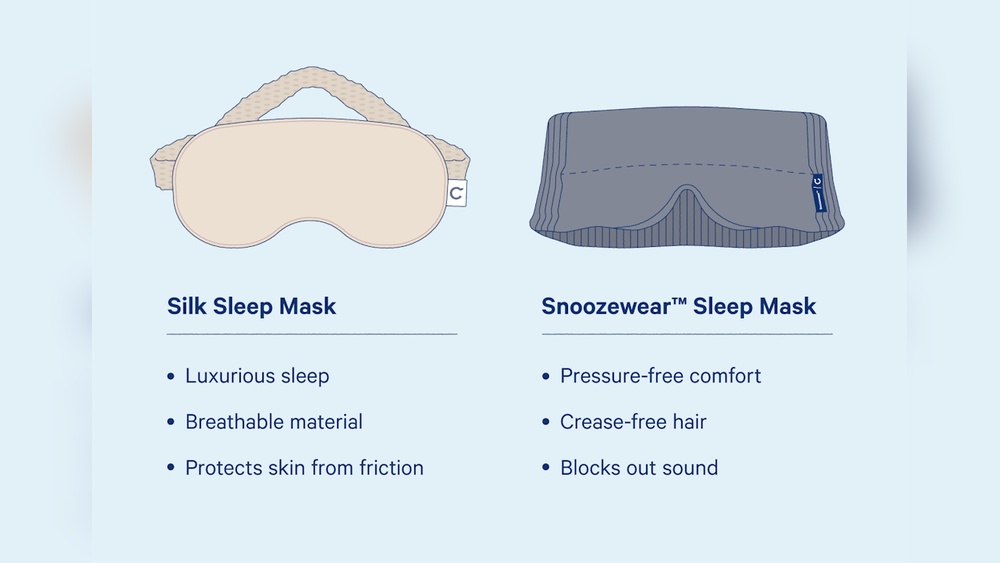
Silk or satin sleep masks reduce friction on the skin. This helps skin retain moisture and prevents creases. Wearing these masks can support smoother, healthier skin around the eyes.
Who Gains The Most
Some people benefit more from using sleep masks than others. Sleep masks block light and help the brain relax. This makes falling asleep easier and improves sleep quality. Certain groups face more challenges with light and irregular sleep schedules. These groups gain the most from sleep masks.
Shift Workers
Shift workers sleep during daylight hours. Bright light can stop their body from resting well. A sleep mask helps by creating darkness. This supports better sleep and quicker recovery between shifts.
Frequent Travelers
Travelers often sleep in planes, cars, or hotels. Light and unfamiliar places disrupt sleep. Wearing a sleep mask blocks light and signals the brain to rest. It helps travelers feel refreshed after long trips.
Hospital Patients
Hospitals have bright lights and constant noise. Patients find it hard to sleep well here. A sleep mask reduces light and aids relaxation. This can improve healing and comfort during hospital stays.
Light Sleepers And Insomniacs
Light sleepers wake up from small changes in light. Insomniacs struggle to fall asleep fast. Sleep masks create a dark, calm environment. This helps reduce wake-ups and supports deeper sleep.
People In Bright Environments
City dwellers face streetlights and neon signs at night. Bright rooms or daytime naps are also challenging. Sleep masks block outside light and improve rest. They help anyone who sleeps in bright places.
Choosing The Right Mask
Choosing the right sleep mask can make a big difference in your sleep quality. The right mask feels good and blocks light well. It should suit your sleeping style and skin type. Consider several factors to find the best fit for you.
Comfort And Fit
Comfort is key for a sleep mask. A mask that fits snugly but not too tight works best. Adjustable straps help you find the perfect fit. Look for masks with soft edges that do not press on your eyes. A good fit keeps the mask in place all night.
Material Options
Materials affect comfort and skin health. Silk and satin masks feel smooth and gentle on the skin. Cotton masks are breathable and easy to clean. Some materials help reduce wrinkles by lowering friction. Choose a material that feels soft and suits your skin type.
Weighted And Contoured Designs
Weighted masks offer a gentle pressure that can calm your mind. Contoured masks have space around the eyes to avoid pressure. These designs prevent discomfort and allow blinking during sleep. They are ideal for people who dislike direct pressure on their eyes.

Credit: warszawa.intercontinental.com
Maximizing Effectiveness
Maximizing the effectiveness of a sleep mask helps you enjoy its full benefits. Proper use enhances your sleep quality and comfort. Small adjustments can make a big difference in blocking light and creating a peaceful environment. These tips focus on combining sleep masks with other tools and keeping them clean for best results.
Combining With Earplugs
Using earplugs with a sleep mask blocks both light and noise. This combination creates a calm space for deep rest. Earplugs reduce sounds that can disturb your sleep cycle. Together, they improve your ability to fall asleep faster and stay asleep longer. This is especially helpful in loud or unfamiliar places.
Using In Noisy Settings
Sleep masks alone do not block noise. Wearing earplugs or noise-cancelling headphones helps in noisy areas. Airports, busy streets, or shared rooms often have background noise. Using a mask and earplugs creates a dark, quiet zone. This setup supports uninterrupted sleep even in challenging environments.
Maintaining Cleanliness
Regular cleaning keeps your sleep mask fresh and safe to use. Oils, dirt, and sweat can build up on the fabric. Wash masks according to the material’s care instructions. Clean masks prevent skin irritation and avoid bacteria buildup. A clean mask also feels more comfortable and helps you relax better at bedtime.
Possible Drawbacks
Sleep masks offer many benefits but can also have some drawbacks. Understanding these helps you choose the right mask and use it properly. Some people may experience discomfort or side effects from regular use. Being aware of possible issues can lead to better sleep mask experiences.
Pressure On Eyes
Some sleep masks press tightly on the eyes. This pressure can cause discomfort or headaches. Over time, constant pressure may affect eye health. Masks with adjustable straps reduce this risk. Choosing soft, lightweight masks helps avoid eye strain.
Blurred Vision Risks
Wearing a mask that shifts during sleep can blur vision temporarily. This happens if the mask presses on the eyes too much. Blurred vision usually fades after removing the mask. Avoid masks that block eye movement or fit poorly to reduce this risk.
Material Allergies
Materials like synthetic fabrics can cause skin allergies. Red, itchy skin or rashes may develop around the eyes. Hypoallergenic and natural fabrics like cotton or silk lower allergy chances. Washing masks regularly keeps them clean and safe for sensitive skin.

Credit: eliandelm.com
Frequently Asked Questions
Is It Good To Sleep With A Sleep Mask?
Sleeping with a sleep mask blocks light, improves sleep quality, increases REM sleep, boosts alertness, and supports memory and relaxation. Choose a comfortable, soft mask for best results.
What Are The Disadvantages Of Sleeping Masks?
Sleep masks can cause discomfort, skin irritation, or pressure on eyes if too tight. They may trap heat and cause sweating. Masks can slip off during sleep, disrupting rest. Poor-quality materials might lead to allergies or eye dryness. Some users find them restrictive or claustrophobic.
Is It Good To Use A Sleeping Mask Every Night?
Using a sleep mask nightly improves sleep quality by blocking light, enhancing deep and REM sleep. It boosts alertness, memory, and supports circadian rhythm. Choose a comfortable, gentle material mask for best results. Regular use benefits shift workers, travelers, and light sleepers.
Is It Good To Wear A Mask While Sleeping?
Wearing a mask while sleeping blocks light, improves sleep quality, increases REM sleep, boosts alertness, and supports memory. Choose a comfortable, breathable mask for best results.
Conclusion
Sleep masks offer simple yet effective sleep benefits. They block light, helping you fall asleep faster and stay asleep longer. Deeper and more restful sleep improves mood and energy. Sleep masks also support brain functions like memory and focus. People who work nights or travel find masks especially useful.
Choosing a soft, comfortable mask enhances the experience. Using a sleep mask can create a peaceful sleep environment anywhere. Try one to experience better rest and wake up refreshed.