If you have glaucoma, you might have heard about using eye heat masks to soothe discomfort or dry eyes. But before you reach for one, it’s crucial to understand the potential downsides these masks might bring to your condition.
Could applying heat near your eyes do more harm than good? What risks should you be aware of to protect your vision? You’ll discover the key disadvantages of using eye heat masks when managing glaucoma, helping you make safer choices for your eye health.
Keep reading to learn how to avoid common pitfalls and keep your eyes as healthy as possible.

Credit: mittlemaneye.com
Eye Heat Masks And Glaucoma Risks
Eye heat masks have gained popularity for soothing tired eyes. They provide warmth that can ease dryness and discomfort. Yet, for people with glaucoma, these masks carry certain risks. Understanding these risks helps protect your eye health and avoid complications.
Not A Treatment For Glaucoma
Eye heat masks do not treat glaucoma. Glaucoma is a serious condition involving pressure buildup in the eye. Only medical treatments can control this pressure and prevent damage. Using heat masks alone will not stop glaucoma from worsening. Always follow your doctor’s advice for glaucoma care.
Potential For Symptom Relief
Heat masks may relieve some eye symptoms, such as dryness and irritation. These symptoms often affect glaucoma patients, especially those using eye drops. Warmth can improve oil gland function and boost tear quality. This relief is temporary and does not affect glaucoma itself.
When To Seek Medical Help
New or worsening symptoms require prompt medical attention. Signs like vision loss, blind spots, or eye pain are serious. Stop using heat masks if discomfort or redness increases. Contact your eye doctor immediately for a proper evaluation and treatment.
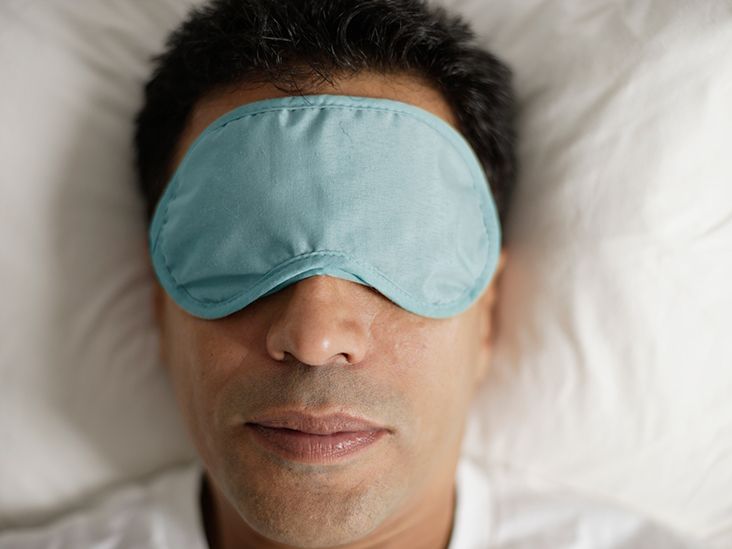
Credit: www.healthline.com
Impact On Eye Pressure
The impact of eye heat masks on eye pressure is a crucial concern for people with glaucoma. Eye pressure, or intraocular pressure (IOP), plays a key role in this condition. Any increase in IOP can worsen glaucoma and harm vision. Understanding how heat affects eye pressure helps users make safer choices.
Heat And Intraocular Pressure
Heat from eye masks can cause blood vessels in the eyes to expand. This expansion may lead to a temporary rise in intraocular pressure. For someone with glaucoma, even a small increase in IOP can be risky. The eye’s fluid drainage system might slow down under heat, causing pressure to build up inside the eye.
Not all heat masks produce the same effect. The temperature and duration of use affect how much the eye pressure changes. Using very hot masks or wearing them for too long can increase the chance of higher IOP. Careful monitoring is necessary to avoid potential damage.
Risks Of Increased Eye Pressure
Increased eye pressure can damage the optic nerve, leading to vision loss. Glaucoma patients must avoid anything that raises IOP. Using heat masks without medical advice might worsen their condition. Sudden spikes in eye pressure can cause pain, headaches, or blurred vision.
People with glaucoma should consult their eye doctor before trying heat masks. The doctor can assess whether it is safe based on individual eye health. Ignoring this advice may result in long-term harm and faster progression of glaucoma.
Lifestyle Factors Affecting Glaucoma
Many lifestyle choices influence glaucoma and eye health. Small daily habits can raise eye pressure or harm the optic nerve. Understanding these factors helps manage glaucoma better and protect vision.
Some habits may seem harmless but affect eye pressure or blood flow. Watching what you eat, drink, and how you handle stress matters. These choices impact glaucoma risks and symptoms.
Diet And Eye Health
A diet high in unhealthy fats and sugars worsens glaucoma risks. Foods like red meat, butter, fried snacks, and sweets can raise eye pressure. Eating fresh fruits, vegetables, and omega-3 rich fish supports eye health. Balanced nutrition helps maintain healthy blood vessels and optic nerve function.
Caffeine And Alcohol Effects
Too much caffeine can temporarily increase eye pressure. Coffee, energy drinks, and some sodas contain caffeine. Alcohol affects blood flow and hydration, impacting eye health. Limiting caffeine and alcohol helps keep eye pressure stable and supports glaucoma management.
Smoking And Blood Vessel Damage
Smoking harms blood vessels, reducing oxygen supply to the eye. It raises the risk of optic nerve damage and worsens glaucoma. Chemicals in cigarettes cause inflammation and narrow blood flow. Quitting smoking improves eye circulation and lowers glaucoma progression risk.
Stress And Eye Pressure
Stress can increase eye pressure and affect glaucoma control. High stress releases hormones that may raise intraocular pressure (IOP). Relaxation techniques like deep breathing and meditation help lower stress. Managing stress supports better eye pressure control and overall health.
Medications That Influence Glaucoma
Certain medications can affect glaucoma by raising eye pressure or harming the optic nerve. Patients with glaucoma should be aware of these drugs. Understanding how they impact eye health helps in managing the condition safely. Some common medications carry risks that need careful monitoring.
Corticosteroids And Eye Pressure
Corticosteroids often increase intraocular pressure (IOP). This rise can worsen glaucoma symptoms. Eye drops, pills, or injections with steroids may cause this effect. Even short-term use can elevate pressure in sensitive individuals. Regular eye check-ups are crucial for those on steroids.
Allergy And Cold Medications
Many allergy and cold medicines contain antihistamines or decongestants. These can narrow blood vessels and increase eye pressure. People with glaucoma should avoid or limit these drugs. Always consult an eye specialist before using such medications. Safer alternatives may be available.
Sulfa Drugs And Glaucoma Risk
Sulfa-based drugs may trigger angle-closure glaucoma in some patients. They cause fluid buildup, blocking eye drainage. This sudden pressure rise is dangerous and requires immediate care. Patients with narrow angles or glaucoma history must use caution. Doctors often recommend alternative treatments.
Exercise And Daily Habits
Daily habits and exercise play a key role in managing glaucoma. Some physical activities can raise eye pressure. Others may affect the eyes in ways that worsen symptoms. Understanding these effects helps people with glaucoma protect their vision better. Simple changes in routine and exercise choices can make a difference.
Strenuous Activities Raising Eye Pressure
Heavy lifting and intense workouts can increase pressure inside the eye. Yoga poses that invert the body also raise eye pressure temporarily. This rise can harm the optic nerve over time. Avoiding or modifying these activities is safer for glaucoma patients. Gentle exercises like walking or swimming are better options.
Water Sports Considerations
Swimming and water sports expose eyes to chlorine and salt, which may irritate them. Wearing protective goggles helps reduce irritation. Water pressure changes can affect eye fluid drainage. People with glaucoma should avoid deep diving or activities that cause sudden pressure shifts. Consult an eye doctor before starting new water sports.
Sun Protection Importance
Ultraviolet (UV) rays can worsen eye damage in glaucoma. Wearing sunglasses that block 100% UV rays protects the eyes. Hats with brims add extra shade and reduce glare. Sun exposure may increase eye pressure and harm the optic nerve. Regular sun protection is a simple habit to support eye health.

Credit: lucsuer.com
Managing Glaucoma Safely
Managing glaucoma safely requires careful attention and consistent care. The condition involves increased pressure in the eye that can damage the optic nerve. Protecting your vision depends on regular monitoring and healthy lifestyle choices. Small daily actions can help control the disease and improve eye health.
Regular Ophthalmologist Visits
Visit your eye doctor regularly for check-ups. Eye pressure and vision changes need close tracking. Early detection of problems helps prevent vision loss. Follow the schedule your doctor suggests without skipping visits. Professional exams guide treatment and adjustments.
Reviewing Medications
Some medicines can raise eye pressure or harm the optic nerve. Inform your doctor about all drugs you use, including over-the-counter ones. Do not stop or change medicines without consulting your doctor. Regular review of medications keeps glaucoma treatment safe and effective.
Dietary Adjustments
Eat foods that support eye health. Limit saturated fats, trans fats, and simple carbs like white bread. Include fruits, vegetables, and omega-3 rich foods in your meals. Proper nutrition can reduce inflammation and help control eye pressure. Healthy eating supports overall well-being.
Controlling Health Conditions
Manage other health problems like high blood pressure and diabetes. These conditions can worsen glaucoma or speed vision loss. Follow treatment plans for all chronic diseases carefully. Keeping body systems balanced helps protect your eyes. Regular check-ups with your primary doctor are important.
Choosing Gentle Exercises
Select exercises that do not raise eye pressure. Avoid heavy lifting and inverted yoga poses. Walking, swimming, and gentle stretching are good choices. Exercise improves blood flow and general health. Always ask your doctor what activities are safe for you.
Frequently Asked Questions
Are Heated Eye Masks Good For Glaucoma?
Heated eye masks do not treat glaucoma but may relieve dry eye symptoms. Consult your doctor before use. Seek immediate help if vision worsens.
Are Heated Eye Masks Bad For Your Eyes?
Heated eye masks are generally safe when used properly. Avoid excessive heat or prolonged use to prevent irritation or burns. People with glaucoma should consult a doctor before use. Proper care ensures comfort and relief from dry eyes without harming the eyes.
What Things Make Glaucoma Worse?
Glaucoma worsens with increased eye pressure or optic nerve damage. Avoid steroids, excessive caffeine, alcohol, smoking, high blood pressure, and strenuous activities like heavy lifting or inversions. Poor medication management and skipping follow-ups also accelerate vision loss.
Do Doctors Recommend Eye Massagers?
Doctors may recommend eye massagers for relieving eye strain and improving circulation. Use them cautiously and consult your eye specialist first.
Conclusion
Eye heat masks may relieve dry eye symptoms but carry risks for glaucoma patients. They can raise eye pressure, worsening glaucoma damage. Overheating or prolonged use might harm sensitive eye tissues. Masks should never replace prescribed glaucoma treatments. Always consult your eye doctor before using heat masks.
Careful use and regular check-ups help protect your vision. Prioritize safe glaucoma management to prevent vision loss.