Are you ready to refresh your eyes and brighten your look with eye masks—but not sure how to put them on correctly? You’re not alone.
Applying eye masks might seem simple, but doing it the right way can make all the difference in how well they work. Whether you want to reduce puffiness, fade dark circles, or just relax after a long day, mastering the proper placement and technique is key.
In this guide, you’ll discover easy, step-by-step tips that ensure your eye masks stay perfectly in place and deliver maximum benefits every time. Keep reading to learn how to get the most out of your eye care routine—your eyes will thank you!

Credit: www.helloprettybird.com
Types Of Eye Masks
Eye masks come in different types to serve various needs. They can refresh tired eyes, reduce puffiness, or block light for better sleep. Choosing the right type helps you get the most benefits.
Under-eye Patches
Under-eye patches are small, gel-like pads designed to treat skin under the eyes. They deliver moisture and active ingredients directly to this delicate area. These patches help reduce puffiness, dark circles, and fine lines.
- Cleanse First: Wash your face and gently pat dry under the eyes.
- Orientation: Place the patch just below the lower lash line.
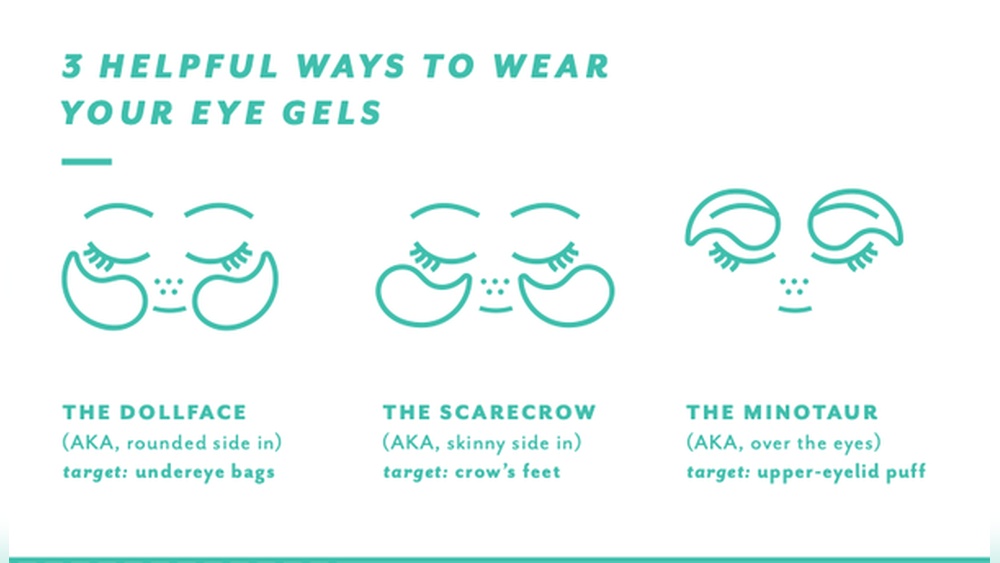
- For Puffiness: Put the wider end toward the outer corner of the eye.
- For Dark Circles: Place the wider end near the inner corner or try both ways.
- Finish: Remove the patch and gently tap the remaining serum into skin.
Sleep Masks
Sleep masks cover your eyes to block out light completely. They create a dark environment to help improve sleep quality. These masks come in soft fabrics and adjustable straps for comfort.
- Position: Place the mask gently over closed eyes.
- Secure: Wrap the strap around your head and adjust for a snug fit.

Credit: www.pacificabeauty.com
Preparing Your Skin
Preparing your skin before applying an eye mask is important for the best results. Clean skin helps the mask’s ingredients absorb better. It also prevents dirt or oils from blocking the treatment. Take a few minutes to care for the delicate eye area before using your mask. This step makes a big difference in how effective the mask will be.
Cleansing The Eye Area
Start by washing your face with a gentle cleanser. Use a product made for sensitive skin to avoid irritation. Focus on the area around your eyes, but be careful not to rub too hard. Remove any makeup, dirt, or oils that can stop the mask from sticking. Rinse with lukewarm water and pat your skin lightly.
Drying Gently
After cleansing, dry your skin gently with a soft towel. Avoid rubbing the delicate skin under your eyes. Use a patting motion to keep the skin smooth and calm. Make sure the area is completely dry before placing the eye mask. This helps the mask stay in place and work properly.
Correct Placement
Correct placement is key to getting the best results from your eye masks. Proper positioning ensures the active ingredients work effectively. It also maximizes comfort during use. Below, learn how to place under-eye patches and sleep masks properly.
Positioning Under-eye Patches
Start with clean, dry skin under your eyes. Gently place the patch just below your lower lash line. The wider or rounded end should face outward for puffiness relief. For dark circles, try placing the wider end toward the inner corner. Experiment to find what suits you best. Leave the patch on for the recommended time. After removal, softly tap leftover serum into your skin.
Aligning Sleep Masks
Close your eyes and position the sleep mask over them. Make sure it covers your eyes completely for full light blockage. Secure the strap around your head. Adjust the strap to fit snugly but not too tight. The mask should feel comfortable and not press hard on your eyes. Proper alignment helps improve sleep quality by blocking out light effectively.
Targeting Specific Concerns
Eye masks target different concerns around your eyes. Choosing the right type helps improve your skin effectively. Applying them correctly boosts their benefits. Focus on your specific needs for best results. Let’s explore how to use eye masks for common issues.
Reducing Puffiness And Dark Circles
Start with a clean face. Pat the skin dry gently. Place the eye mask just below your lower lashes. For puffiness, position the wider end toward the outer corner. This helps drain excess fluid and reduce swelling. For dark circles, try placing the wider end near the inner corner. Test both ways to find what works best for you. Leave the mask on for 10 to 20 minutes. Remove it and gently massage leftover serum into the skin.
Smoothing Fine Lines And Crow’s Feet
Clean your face thoroughly before applying. Position the mask so it covers the outer corners of your eyes. This area usually shows fine lines and crow’s feet. The wider or rounded end should face outward to cover these lines well. Keep the mask on for the recommended time. After removal, tap the remaining serum gently into the skin. Regular use helps soften fine lines and smooth the skin texture.
Adjusting For Comfort
Adjusting an eye mask for comfort is essential for a restful experience. A well-fitted mask blocks light without causing pressure or irritation. Small changes can make a big difference in how it feels on your face. Focus on the strap and material to ensure maximum comfort.
Strap Fit And Tightness
Start by placing the mask over your eyes gently. Pull the strap around your head and adjust the length. The strap should hold the mask firmly but not squeeze your face. Too tight can cause headaches and marks. Too loose lets light in and reduces effectiveness. Find a balance that feels secure yet gentle.
Elastic straps offer flexibility, while adjustable ones allow precise fitting. Try different settings until you feel relaxed. If the strap irritates your skin, consider covering it with a soft cloth. Proper strap fit keeps the mask in place through the night.
Mask Material And Skin Sensitivity
Materials vary from silk and cotton to foam and gel. Choose one that feels soft on your skin. Rough or synthetic fabrics may cause redness or itching. If your skin is sensitive, pick hypoallergenic or natural fabrics. Some masks have cooling gels that soothe tired eyes.
Wash your mask regularly to avoid dirt and bacteria buildup. Clean masks prevent skin irritation and breakouts. Test new materials on a small skin area before regular use. Comfortable materials help you relax and improve sleep quality.
Enhancing Benefits
Enhancing the benefits of your eye masks can improve your skincare routine significantly. Simple steps after applying the mask help maximize its effects. These small actions boost the mask’s ability to refresh and nourish your skin.
Cooling For Depuffing
Keep your eye masks in the fridge before use. The cold temperature helps reduce puffiness faster. Cooling tightens blood vessels, easing swelling under your eyes. This simple trick makes your skin look more awake and fresh. Use chilled masks especially after a long day or poor sleep.
Massaging Remaining Serum
After removing the mask, don’t waste the leftover serum. Gently massage it into your skin using your ring finger. This helps the serum absorb better and stimulates blood flow. Massaging also relaxes the muscles around your eyes, reducing tension. It enhances the mask’s moisturizing and soothing effects for longer-lasting results.
Versatile Uses
Eye masks are not just for under the eyes. They work on other parts of your face too. Their shape and ingredients help smooth different skin areas. Using eye masks on smile lines and forehead can reduce wrinkles and boost moisture. This makes them a versatile tool in your skincare routine.
Applying On Smile Lines And Forehead
Smile lines appear around your mouth and nose. You can gently place small eye masks on these lines. Leave them for the recommended time. This helps soften the skin and reduce fine lines.
For the forehead, choose flexible eye masks. Place them across your forehead wrinkles. Make sure they stick well but do not pull your skin. The mask’s serum will hydrate and calm the area.
Avoiding Broken Skin
Do not apply eye masks on broken or irritated skin. This can cause more damage and discomfort. Always check your skin before use. If you see cuts, wounds, or redness, skip the mask.
Use gentle, clean hands when placing masks. Avoid stretching the skin to prevent further harm. Wait until your skin heals before trying again.

Credit: www.amazon.sa
Frequently Asked Questions
What Is The Correct Way To Put On Eye Masks?
Cleanse and dry your face first. Place the eye mask under your lower lash line, with the rounded end facing inward for dark circles or outward for crow’s feet. Adjust for comfort, leave on as directed, then gently tap remaining serum into skin.
Avoid broken skin.
Which Way Do Eye Masks Sit?
Eye masks sit under your eyes with the wider end facing inward for dark circles or outward for crow’s feet. Adjust for comfort.
Is It Better To Put Eye Patches On At Night Or Morning?
Apply eye patches in the morning to reduce puffiness and brighten dark circles. Use them at night to hydrate and repair skin. Choose timing based on your skincare goals for best results.
Do You Wash Your Face After Under An Eye Mask?
No, do not wash your face after using an under-eye mask. Gently tap or massage leftover serum into your skin instead.
Conclusion
Wearing eye masks correctly helps your skin feel fresh and rested. Always clean your face first for best results. Place the mask gently without stretching or pulling the skin. Adjust for comfort and let it sit for the recommended time.
After removal, softly massage any leftover serum into your skin. Regular use can reduce puffiness and brighten tired eyes. Keep your masks cool for extra soothing effects. Follow these simple steps to enjoy the full benefits of eye masks every time.
Your eyes will thank you for the care.