Are TSA locks really worth it for your luggage? If you’ve ever worried about your suitcase being damaged or tampered with during airport security checks, you’re not alone.
You want to keep your belongings safe and intact, but you might be wondering if a TSA-approved lock actually makes a difference. Could it save you from having your lock cut off, or is it just a false sense of security?
You’ll discover the real benefits and drawbacks of TSA locks, what happens if you don’t use one, and smart alternatives that could protect your bags without hassle. Keep reading to find out if investing in a TSA lock is the right move for your next trip.
Credit: www.masterlock.com
Tsa Locks Basics
TSA locks are a popular choice for travelers. They offer a way to secure luggage while allowing airport security to inspect bags without damage. Understanding how these locks work helps decide if they are worth using.
This section explains the basics of TSA locks. It covers what they are and how they function during travel security checks.
What Are Tsa Locks
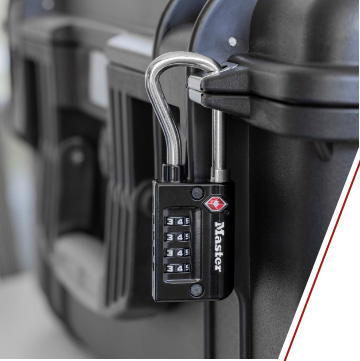
TSA locks are special luggage locks approved by the Transportation Security Administration. They have a unique feature that lets TSA agents open them using a master key.
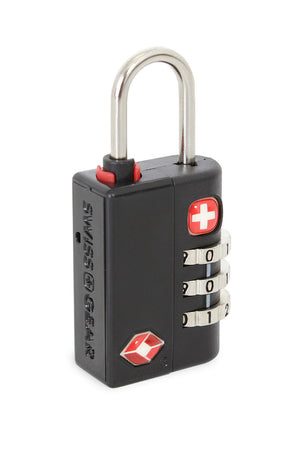
These locks show a red diamond logo. This symbol means security officers can unlock and relock the bag without breaking the lock.
They are not mandatory, but many travelers prefer them for peace of mind. TSA locks reduce the risk of damage during security checks.
How Tsa Locks Work
TSA locks use a standard combination or key for the owner. TSA has a separate master key to open these locks if needed.
When a bag is selected for inspection, TSA agents use their master key to unlock the TSA lock. They check the contents and then lock the bag again.
This process avoids cutting or breaking the lock. It keeps luggage secure and intact throughout the travel process.
Regular locks without TSA approval will be cut if opened by security, causing damage and inconvenience.

Credit: www.amazon.com
Benefits Of Tsa Locks
TSA locks offer several advantages for travelers who want to keep their luggage safe. They provide peace of mind by allowing security checks without damaging your lock or bag. Using TSA-approved locks can make your journey smoother and protect your belongings.
Preventing Damage During Inspection
TSA agents inspect bags for safety. If your bag has a regular lock, they may have to cut it off. This can damage your luggage and cause delays. TSA locks let agents open your bag with special keys. They inspect without breaking anything. This saves your lock and bag from harm.
Deterring Casual Theft
TSA locks help keep thieves away. They make it harder to open your luggage quickly. While not foolproof against determined thieves, they stop casual theft. Zippers stay closed and your items stay inside. This simple layer of security helps protect your belongings.
International Acceptance
TSA locks are recognized in many countries. This means security staff can open your bag if needed. You avoid damage and delays during inspections worldwide. Using TSA locks makes international travel easier and less stressful. Your luggage stays secure across borders.
Drawbacks Of Tsa Locks
TSA locks offer convenience for travelers but have notable drawbacks. These locks do not guarantee full protection. Understanding their limitations helps decide if they suit your travel needs.
Security Limitations
TSA locks provide basic security only. They stop casual tampering but not serious theft attempts. The locks use simple mechanisms that can be bypassed easily. Relying solely on TSA locks may leave valuables vulnerable.
Risk Of Master Key Misuse
TSA agents use special keys to open these locks. These master keys are meant to keep luggage safe during inspection. Unfortunately, copies of these keys have leaked online. This leak allows unauthorized people to open TSA locks without your knowledge.
Vulnerability To Picking
TSA locks use simple pin or combination systems. Skilled thieves can pick these locks quickly. This weakness reduces the overall security TSA locks provide. Picking tools and techniques are widely available, increasing risk.
When Tsa Locks Are Recommended
Knowing when to use TSA locks can save time and protect your luggage. TSA locks let security agents inspect bags without breaking the lock. This helps avoid damage and keeps your belongings safe. Using TSA locks is smart in certain travel situations. It is important to understand these scenarios to make the right choice.
Checked Luggage Scenarios
Checked bags often face inspection during flights. TSA agents need to open luggage to check for prohibited items. Using a TSA lock allows agents to open your bag with a special key. This prevents cutting the lock or damaging your luggage. TSA locks are recommended for checked luggage on domestic US flights. They help keep your bag secure and avoid delays. Bags without TSA locks risk having locks cut off. This can cause inconvenience and extra costs.
Traveling To Tsa-recognized Countries
Many countries accept TSA-approved locks for luggage security. These include the United States, Canada, and some parts of the Caribbean. Using TSA locks on trips to these countries helps smooth the security process. Local security officers can inspect luggage without breaking locks. This reduces the chance of damage during customs checks. If you travel internationally to countries recognizing TSA locks, using one is wise. It ensures your luggage stays locked and protected during inspections.
Consequences Of Not Using Tsa Locks
Not using TSA locks on your luggage can lead to several problems during your travels. Security officers may need to inspect your bag. Without TSA-approved locks, they might have to force it open. This can cause damage to your luggage and belongings.
Travel can become stressful without proper luggage protection. Broken locks or damaged bags slow you down. Understanding these consequences helps in making smart packing choices.
Potential Damage To Luggage
Security officers have the right to open any luggage for inspection. They often cut off locks that are not TSA-approved. This can break zippers, straps, or even the suitcase frame. Damaged luggage may not close properly. You might need to replace or repair your bag after a trip. Such damage adds unexpected costs and hassle.
Inconvenience During Travel
When your lock breaks, your luggage may open unexpectedly. This can cause loss or theft of personal items. You may face delays at baggage claim. Repacking damaged bags wastes time and energy. It can also cause stress and anxiety. Missing a flight or connection is more likely if luggage issues arise. Avoiding these troubles makes travel smoother and more enjoyable.
Alternatives To Tsa Locks
Not everyone trusts TSA locks. Some travelers want stronger or simpler options. Here are some alternatives to TSA locks. These choices help keep your luggage safe in different ways. Each has its own benefits and drawbacks. Choose what fits your travel style best.
Zip Ties
Zip ties are cheap and easy to use. They show if someone opened your bag. TSA agents can cut them without damage. You can carry extra zip ties and replace them after inspection. They do not prevent theft but act as a warning.
Luggage Wrapping Services
Many airports offer luggage wrapping with plastic film. This adds a layer of protection against dirt and tampering. Wrapping makes it hard to open the bag unnoticed. It also keeps your suitcase clean from scratches. The service costs a small fee but gives peace of mind.
Durable Spinner Suitcases
Invest in strong spinner suitcases with built-in locks. These cases resist rough handling better. Hard-shell materials protect your belongings inside. Some models have TSA-approved locks included. Durable suitcases reduce the need for extra locks or wraps. They last longer and protect your items well.
Common Tsa Lock Myths
TSA locks have become popular among travelers seeking added security. Many people trust these locks to protect their luggage during flights. Yet, some common myths about TSA locks may confuse travelers about their true effectiveness. Understanding these myths helps in making informed choices about travel safety.
Are Tsa Locks Foolproof
TSA locks are not completely foolproof. They allow TSA agents to open bags for inspection using special keys. This prevents damage to luggage but also means anyone with these keys can open the lock. Some travelers believe TSA locks provide total security. This is not true, as these locks can be bypassed by skilled individuals. They mainly stop casual tampering, not determined thieves.
Tsa Lock Vs Combination Lock
Combination locks offer security without a key, but TSA agents cannot open them without cutting the lock. TSA locks have a special keyhole that TSA can access. This makes TSA locks more traveler-friendly during inspections. However, combination locks may offer stronger security against unauthorized access. Travelers must decide if they prefer convenience or stronger security. TSA locks reduce the chance of lock damage but may be less secure overall.
Credit: www.swissgear.com
Tips For Enhancing Travel Security
Travel security depends on more than just locking your bag. Combining smart choices helps protect your belongings better. Small steps can reduce risks and stress during your trip.
Focus on using strong luggage and good quality locks. These two factors work together to keep your items safe. Think about what suits your travel style and security needs.
Pairing Locks With Strong Luggage
Strong luggage resists damage and tampering. Hard-shell suitcases are tougher than soft ones. They offer better protection against rough handling.
Locking a weak suitcase is less effective. Thieves or careless handlers can still break in easily. Choose luggage with sturdy zippers and reinforced corners.
Use locks that fit well with your luggage design. Some bags have built-in lock slots for TSA locks. This adds extra convenience and security.
Choosing Reliable Lock Brands
Not all locks offer the same level of security. Pick brands known for durability and quality. Trusted locks resist picking and breakage better.
Look for TSA-approved locks with the red diamond logo. These allow security agents to open your bag without damage. Avoid cheap locks that can break or jam easily.
Read reviews and check ratings before buying locks. Good brands stand by their products and offer warranties. This gives peace of mind during travel.
Frequently Asked Questions
Do You Really Need A Tsa Lock?
TSA locks are not mandatory but recommended for checked bags. They let TSA inspect without cutting your lock, preventing damage and inconvenience.
What Are The Disadvantages Of Tsa Locks?
TSA locks offer limited security, as master keys can open them. They may also be vulnerable to picking and copying. Some travelers worry about lost keys or malfunctioning locks. TSA agents can still inspect luggage, reducing privacy. These locks do not prevent determined thieves from accessing bags.
Can Anyone Open My Tsa Lock?
TSA locks can be opened by TSA agents using special master keys for inspection. Others cannot easily open them.
How Do Tsa Agents Open Tsa Locks?
TSA agents open TSA locks using special master keys designed to unlock without damage. This allows luggage inspection without cutting the lock.
Conclusion
TSA locks offer a simple way to protect your luggage from damage. They help avoid broken locks during security checks. While they don’t stop all theft, they prevent casual tampering. Many airports worldwide recognize TSA locks, easing travel stress. Alternatives like zip ties and luggage wrapping add extra security.
Choosing a TSA-approved lock balances convenience and safety for your trips. Consider your travel needs before deciding on luggage protection. Safe travels start with smart choices.