Packing a duffel bag for your trip might seem simple, but doing it the right way can make all the difference. Imagine having everything you need, neatly organized, easy to find, and fitting perfectly without any wasted space.
You want your bag to be light, balanced, and ready to go the moment you are. In this guide, you’ll discover smart, practical tips to pack your duffel bag like a pro. From creating a stable base to clever rolling techniques and using pockets wisely, you’ll learn how to maximize space and keep your belongings secure.
Keep reading, and you’ll never struggle with packing again—your next trip starts here!
Choosing The Right Duffel Bag
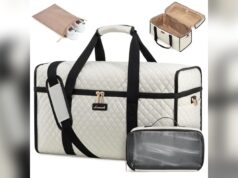
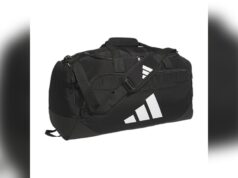
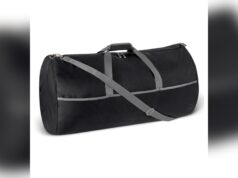
Choosing the right duffel bag makes packing easier and travel smoother. The perfect bag fits your needs and holds everything you want to bring. It should be strong, light, and easy to carry. Consider size, material, and features before buying. These factors help you find a bag that suits your trip and style.
Size And Capacity
Select a size that matches your trip length. Small bags work well for weekend trips. Medium or large bags fit longer journeys. Check the bag’s capacity in liters or cubic inches. Avoid bags that are too big or too small for your items. A good fit keeps your things organized and easy to find.
Material And Durability
Look for strong materials like nylon or polyester. These fabrics resist tears and water. Heavy-duty zippers and reinforced seams add strength. Choose a bag that can handle rough handling. Durable bags last through many trips and save money. A water-resistant surface protects your belongings from rain.
Compartments And Features
Multiple compartments help keep items separate and tidy. Pockets for shoes, toiletries, and electronics are useful. Some bags have padded straps for comfort. Check if the bag has wheels or a shoulder strap. Easy access pockets save time at security checks. Thoughtful features make packing and travel more convenient.
Preparing To Pack
Packing a duffel bag for travel starts with good preparation. It saves time and keeps your items organized. A clear plan helps you avoid overpacking or missing essentials. Begin early and think through what you really need.
Focus on what clothes and items suit your trip. Check the weather and trip length. This guides your packing choices and keeps your bag light. Preparing well makes your travel smoother and stress-free.
Making A Packing List
Create a detailed list before packing. Write down clothes, toiletries, and gadgets you need. Include items for different activities or weather. A list stops you from forgetting important things. It also helps track what you have packed already.
Keep your list simple and clear. Group similar items together for easy checking. Review and adjust the list as your trip plans change. Use your list to pack only what is necessary.
Selecting Versatile Clothing
Choose clothes that mix and match well. Pick pieces that suit multiple occasions. Neutral colors work best as they pair easily. Opt for lightweight, wrinkle-resistant fabrics. These save space and keep you looking neat.
Include layers for changing weather. A jacket or sweater can be useful. Limit shoes to two pairs: one casual, one for special use. Packing versatile clothes reduces bulk and keeps your bag manageable.
Gathering Travel Essentials
Collect all travel essentials before packing. This includes travel documents, chargers, and toiletries. Pack small travel-size containers to save space. Don’t forget health items like medicines and masks.
Organize essentials in a separate pouch for quick access. Double-check items like passports and tickets. Having everything ready avoids last-minute stress and delays.
Packing Heavy Items First
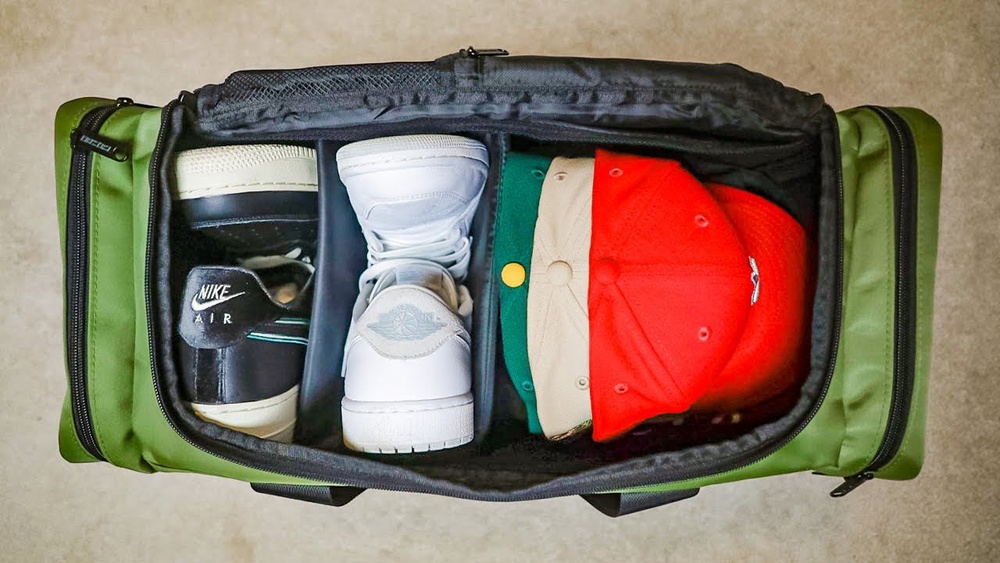
Packing heavy items first is key to a well-organized duffel bag. It helps keep the bag balanced and easy to carry. Placing these items at the bottom creates a strong foundation. This method prevents the bag from tipping over or feeling uneven.
Heavy items include shoes and toiletry kits. These take up space and add weight. Putting them down first saves room for lighter things on top. It also protects delicate items from being crushed.
Shoes And Toiletries
Shoes are often the heaviest items. Put them at the very bottom of the duffel. Stuff socks or small items inside the shoes to save space. Use a plastic bag or shoe bag to keep dirt contained.
Next, place your toiletry bag beside or on top of the shoes. Keep liquids sealed tightly to avoid spills. Toiletries add weight but are important for your trip. Packing them at the base helps stabilize the bag.
Creating A Stable Base
Arrange shoes and toiletries to form a flat, even layer. This stable base supports everything else packed above. Avoid leaving gaps that make the bag lumpy or unstable.
Heavy items packed here stop lighter clothes from getting squashed. They also keep the bag’s center of gravity low. This makes carrying more comfortable, especially for long walks or flights.
Credit: www.krimcode.com
Rolling Clothes For Space
Packing a duffel bag efficiently means using every inch of space. Rolling clothes is a simple trick to help fit more items in tight spaces. This method reduces wrinkles and makes your packing more organized.
Rolling clothes also helps you see all your items quickly. It keeps your bag neat and easy to manage during travel. Learning how to roll clothes properly can improve your packing experience.
Benefits Of Rolling
Rolling clothes saves a lot of space compared to folding. It helps you fit more clothes in your duffel bag. Clothes stay compact and do not create bulky lumps. Rolling also reduces wrinkles better than folding.
This method makes it easy to find what you need without unpacking everything. It keeps your bag balanced and prevents clothes from shifting. Rolling is perfect for soft fabrics like t-shirts, pants, and dresses.
Rolling Techniques
Start with a flat surface to lay your clothes. Smooth out wrinkles before rolling to keep clothes neat. Fold sleeves or pant legs inward for a tight roll. Roll clothes tightly from one end to the other.
Use your hands to press out air as you roll. Place rolled clothes side by side in your duffel bag. Fill gaps with smaller rolled items to maximize space. Practice rolling different items to find what works best.
Using Packing Cubes
Packing cubes are small fabric containers designed to keep your clothes and accessories neat. They help you separate different items and find them quickly. Using packing cubes makes your duffel bag look tidy and saves space. They also protect your clothes from wrinkles and spills during travel.
These cubes come in various sizes, so you can use different ones for shirts, pants, underwear, and gadgets. Putting each category in its own cube keeps your bag organized. This method saves time when you unpack and repack. It also makes it easier to track what you have packed.
Organizing Clothes
Sort your clothes by type or outfit and place them in separate cubes. Use one cube for tops, another for bottoms, and one for underwear and socks. This system keeps your clothes separated and easy to access. It also helps avoid mixing clean and dirty clothes. You can quickly pull out the cube you need without disturbing the rest of your items.
Maximizing Compression
Choose packing cubes with compression zippers to reduce space. After filling a cube, zip it tightly to press the clothes flat. This method squeezes out air and makes your clothes smaller. Compression cubes allow you to pack more in your duffel bag. They also keep your clothes from shifting during travel, which prevents wrinkles. Use compression cubes for bulky items like jackets and jeans to save room.

Credit: www.youtube.com
Filling Gaps Efficiently
Filling gaps efficiently is key to packing a duffel bag smartly. It helps save space and keeps your items secure. Small empty spaces often appear after placing larger items inside. Using these spaces well maximizes your bag’s capacity. It also prevents your belongings from moving during travel. This section covers simple ways to fill gaps and keep your duffel bag organized.
Using Small Items
Small items like socks, underwear, and chargers fit perfectly into empty spaces. Roll socks or underwear tightly to fill gaps between shoes and clothes. Place chargers and cables in corners or side pockets. These small items act like cushions, keeping bigger items from shifting. Use toiletry bottles or small accessories to fill narrow spaces too. This method saves room and keeps everything snug.
Preventing Shifting
Shifting causes wrinkles and can damage fragile items. Fill gaps with soft items like t-shirts or scarves to block movement. Place heavier items at the bottom for a stable base. Use packing cubes or zip bags to keep groups of items together. Tight packing reduces space for items to move. Secure fragile things by surrounding them with clothes or padding. Proper gap filling keeps your duffel balanced and your belongings safe.
Top Layer Essentials
Packing the top layer of your duffel bag requires careful thought. This area holds items you need fast and items that need extra care. Organize it well to save time and protect your belongings. The top layer keeps your trip smooth and stress-free.
Quick Access Items
Place things you use often at the top layer. This includes travel documents, phone chargers, and sunglasses. Keep snacks or a light jacket handy here. Avoid digging through your bag for these essentials. This saves time at airports and stops.
Use small pouches or zip-lock bags to keep these items together. It makes grabbing them easy and fast. Keep your wallet and keys in a secure yet reachable spot. This way, you stay organized and ready for any quick need.
Protecting Fragile Items
Fragile items need special care on the top layer. Wrap them in soft clothes or bubble wrap for safety. Place them in the center of the top layer, away from heavy objects. This prevents damage from pressure or bumps.
Use padded cases for electronics and breakables. Keep these items upright and secure to avoid shifting. Double-check their position before closing your bag. Proper protection helps your fragile goods arrive safe and sound.
Utilizing Outer Pockets
Outer pockets on a duffel bag are perfect for storing items you need quickly. They keep essentials separate from the main compartment. This helps save time and keeps your bag organized. Use these pockets wisely to make your travel smoother and stress-free.
Storing Documents
Keep important documents like your passport, boarding pass, and ID in an outer pocket. This makes them easy to reach during security checks or boarding. Use a slim folder or travel wallet to keep papers flat and safe. Avoid stuffing documents deep inside your bag to prevent damage or loss.
Keeping Electronics Handy
Place small electronics such as your phone, charger, and headphones in an outer pocket. This allows quick access without opening your entire bag. Use a protective case or pouch to avoid scratches and damage. Keeping electronics separate also helps prevent tangling of cords inside your duffel.
Space-saving Tips
Packing a duffel bag efficiently requires smart space-saving strategies. These tips help you fit more without adding bulk. Careful planning lets you carry essentials comfortably. Use every inch wisely. Avoid messy piles that waste space. Organize your items to keep your bag neat and easy to access.
Minimizing Weight
Choose lightweight items first. Heavy things take up more room and tire you out. Wear your bulkiest clothes on travel days. Limit shoes to one or two pairs. Use travel-size toiletries instead of full bottles. Avoid packing items you can buy at your destination. Keep only what you really need. Less weight means easier carrying and more space.
Packing Versatile Items
Select clothes that match many outfits. Neutral colors mix and match well. Bring clothes that work for day and night. Choose pieces that layer easily for warmth. Pick quick-dry fabrics to wash and reuse fast. Use scarves or accessories to change your look. Multi-use items reduce the total you must pack. Smart choices save space and keep your bag light.
Protecting Valuables
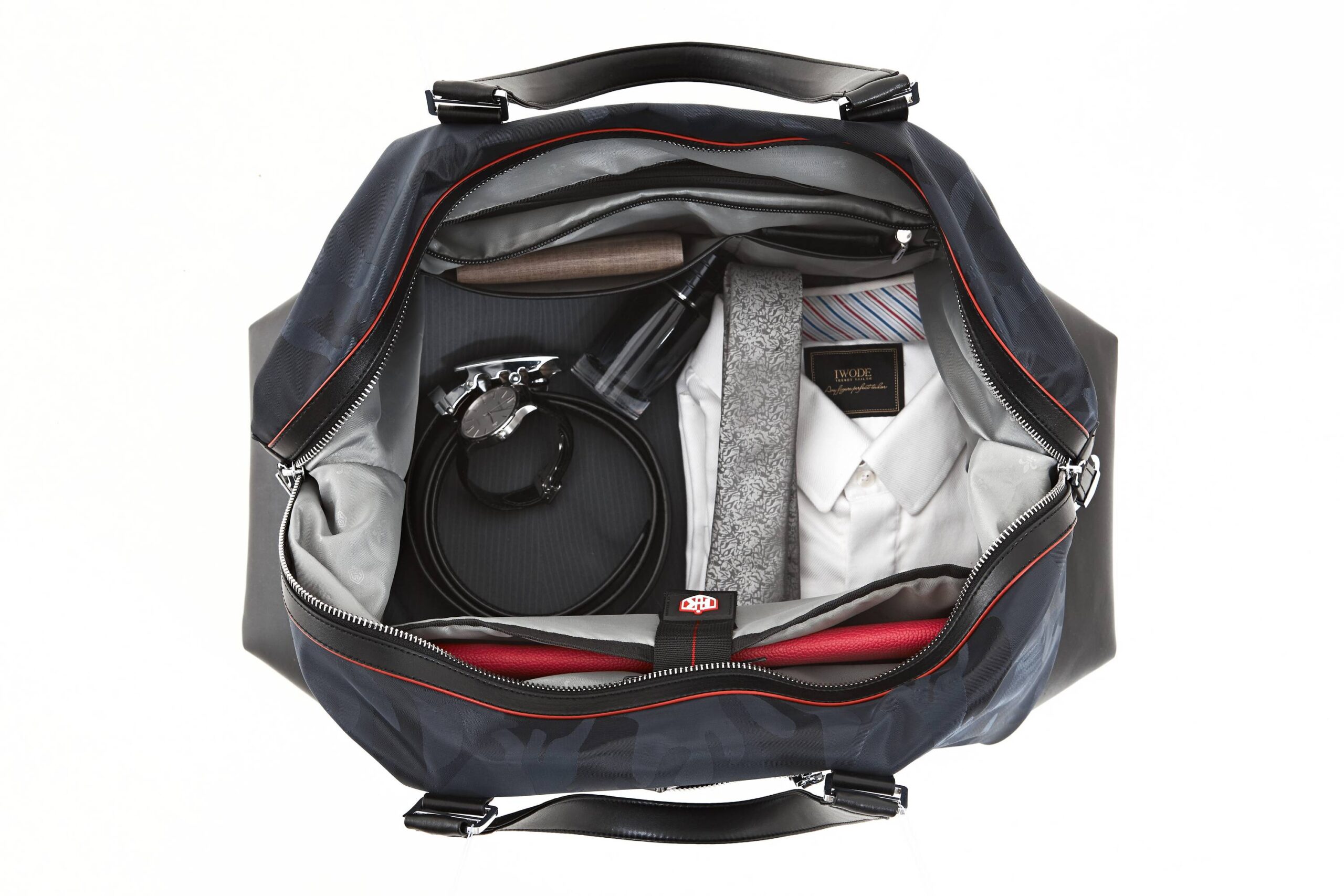
Protecting your valuables is essential when packing a duffel bag for travel. Valuable items include electronics, jewelry, passports, and money. Keeping them safe ensures a stress-free trip. A few simple steps can prevent damage and loss. Organize your valuables carefully and use smart storage methods. This helps guard against theft and accidental damage.
Safe Storage Strategies
Store valuables in a small, secure pouch or pouch with a zipper. Use a hidden inner pocket inside your duffel bag. Place this pouch close to your body or at the bottom of the bag. Avoid easy-to-reach outer pockets for valuables. Use a travel lock on zippers to deter thieves. Keep important documents and money separate from other items. This reduces the risk of losing everything at once.
Cushioning Fragile Items
Fragile valuables need extra protection. Wrap electronics and delicate items in soft clothing or bubble wrap. Use padded cases for cameras and phones. Place these items in the center of the duffel bag. Surround them with soft clothes to absorb shocks. Avoid putting heavy items on top of fragile ones. This prevents cracks and scratches during travel. Always check your duffel bag for secure packing before moving.
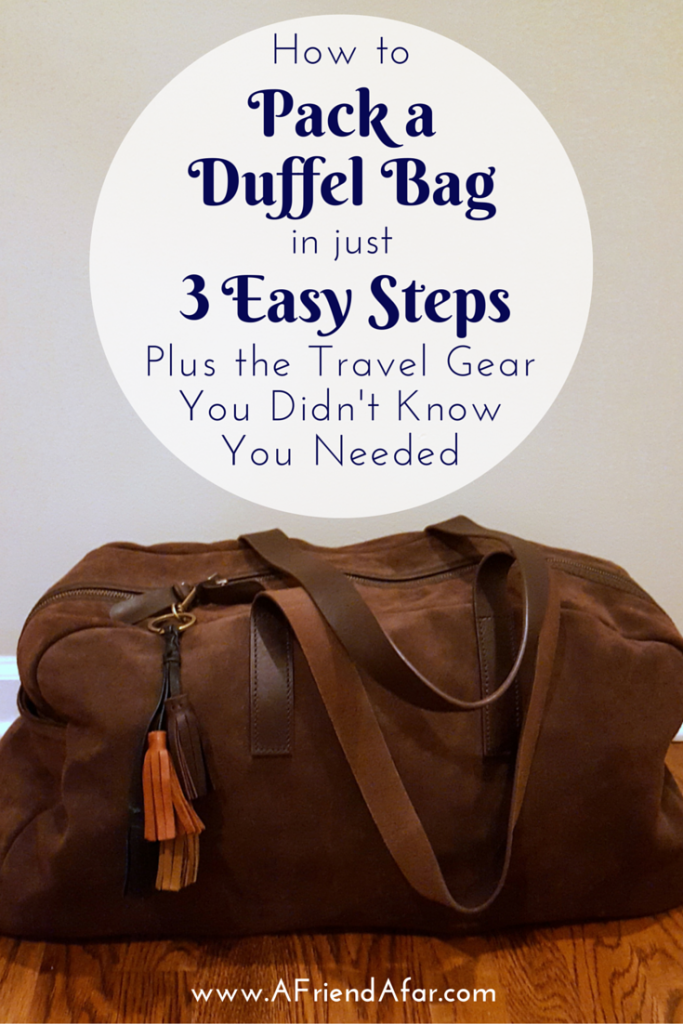
Credit: www.afriendafar.com
Frequently Asked Questions
What Is The Best Way To Pack A Duffel Bag?
Pack a duffel bag by placing heavy items like shoes at the bottom. Roll clothes tightly to save space. Fill gaps with small items to prevent shifting. Use outer pockets for essentials. Organize with packing cubes for efficiency and wrinkle reduction.
What Is The 5 4 3 2 1 Rule Of Packing?
The 5 4 3 2 1 packing rule organizes items by category and quantity: 5 tops, 4 bottoms, 3 shoes, 2 accessories, and 1 jacket. It simplifies packing, ensuring you bring essentials without overpacking. This method saves space and keeps your luggage balanced and efficient.
What Are The 5 Biggest Packing Mistakes To Avoid?
The five biggest packing mistakes to avoid are overpacking, forgetting essentials, ignoring weight limits, poor organization, and packing without a plan.
What Is The 1 2 3 4 5 6 Packing Rule?
The 1 2 3 4 5 6 packing rule organizes items by weight and accessibility. Pack heavy items first, roll clothes tightly, fill gaps with small items, place essentials on top, and use outer pockets for quick access. This method maximizes space and keeps your bag stable.
Conclusion
Packing a duffel bag smartly makes travel easier and stress-free. Start with heavy items at the bottom for balance. Roll clothes tightly to save space and reduce wrinkles. Use packing cubes to keep things organized and accessible. Fill gaps with smaller items to prevent shifting during travel.
Keep essentials in outer pockets for quick access. Following these steps helps you pack efficiently for any trip. Travel lighter, move faster, and enjoy your journey with a well-packed duffel bag. Simple tips lead to smooth and happy travels every time.