You want your belongings safe every time you travel, right? Choosing the right travel lock can be the difference between peace of mind and constant worry about your luggage.
But with so many options out there—TSA-approved locks, combination locks, key locks, and even smart locks—it’s easy to feel overwhelmed. Which one fits your travel style? How do you know it’s secure enough yet convenient for airport inspections? You’ll discover simple, clear advice to help you pick the perfect travel lock that matches your needs.
Keep reading, and you’ll never stress about your luggage security again.

Credit: www.provenlocks.com
Tsa Locks Vs Other Types
Choosing the right travel lock matters for your luggage’s safety. TSA locks differ from other types. They allow airport security to open your bag without damage. Other locks may not offer this convenience. Knowing the differences helps you pick the best lock.
Combination Locks
Combination locks use numbers to open. No key is needed, which means no lost keys. You set your own code, making it easy to remember. Some combination locks are TSA-approved. Others are not, so they might get cut if inspected.
Key Locks
Key locks require a physical key to open. They are simple and secure but can be lost. TSA-approved key locks let agents open luggage with a master key. Non-TSA key locks might be damaged during inspection. Carry your key safely to avoid problems.
Cable Locks
Cable locks use flexible steel cables instead of a solid shackle. They fit through zippers or multiple bags at once. Some cable locks have combination or key options. TSA versions allow security checks without cutting the cable. Non-TSA cables risk being cut during inspection.
Smart Locks
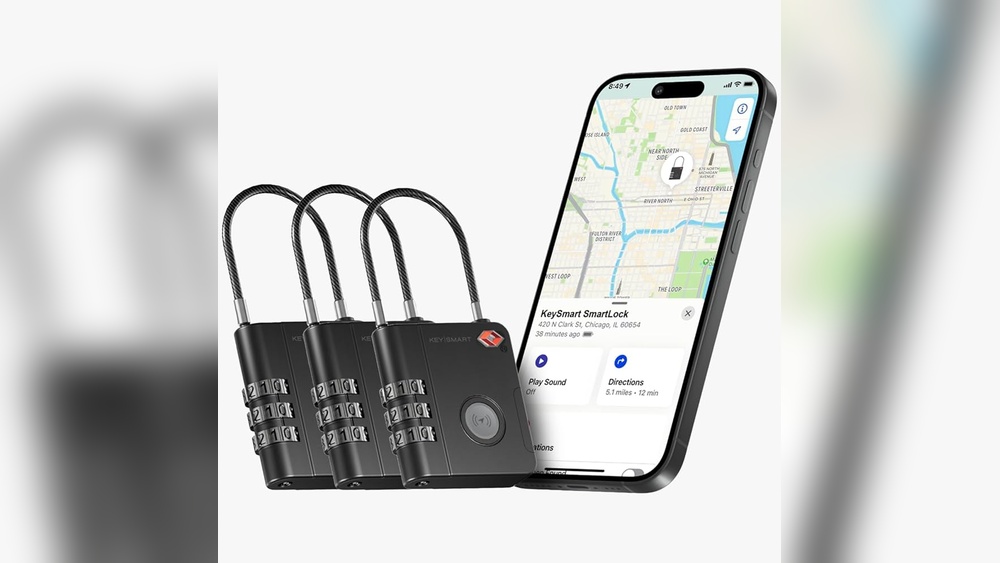
Smart locks connect to your phone via Bluetooth. You can lock or unlock them with an app. Some have fingerprint sensors for added security. TSA-approved smart locks still allow agent access. They offer convenience but need batteries to work. Choose smart locks if you want tech features with security.
Security Features To Look For
Choosing the right travel lock means focusing on key security features. These features help protect your belongings from theft or tampering during travel. A lock with strong security features adds peace of mind on every trip. Here are the main security features to consider.
Durable Materials
Durability is crucial for a travel lock. Locks made from hardened steel or zinc alloy resist cutting and breaking. Plastic or cheap metal locks easily break or crack. A durable lock withstands rough handling and harsh environments. It protects your luggage better and lasts longer.
Strong Shackle Design
The shackle is the U-shaped part that secures your luggage. Look for a thick, hardened steel shackle. Thin shackles bend or snap easily. Some locks have double-bolted shackles for extra strength. A strong shackle prevents thieves from prying open your lock.
Resettable Combinations
A resettable combination lets you set your own code. This feature is safer than fixed codes or keys. You control the code and can change it anytime. Avoid locks with default factory codes that many travelers share. Resettable combinations improve security and convenience.
Tamper Evidence
Some locks show signs if someone tries to open them. Tamper evidence may include broken seals or color changes. This feature alerts you if your luggage was opened. It helps catch unauthorized access early. Choose locks with visible tamper indicators for added safety.
How Tsa Locks Work
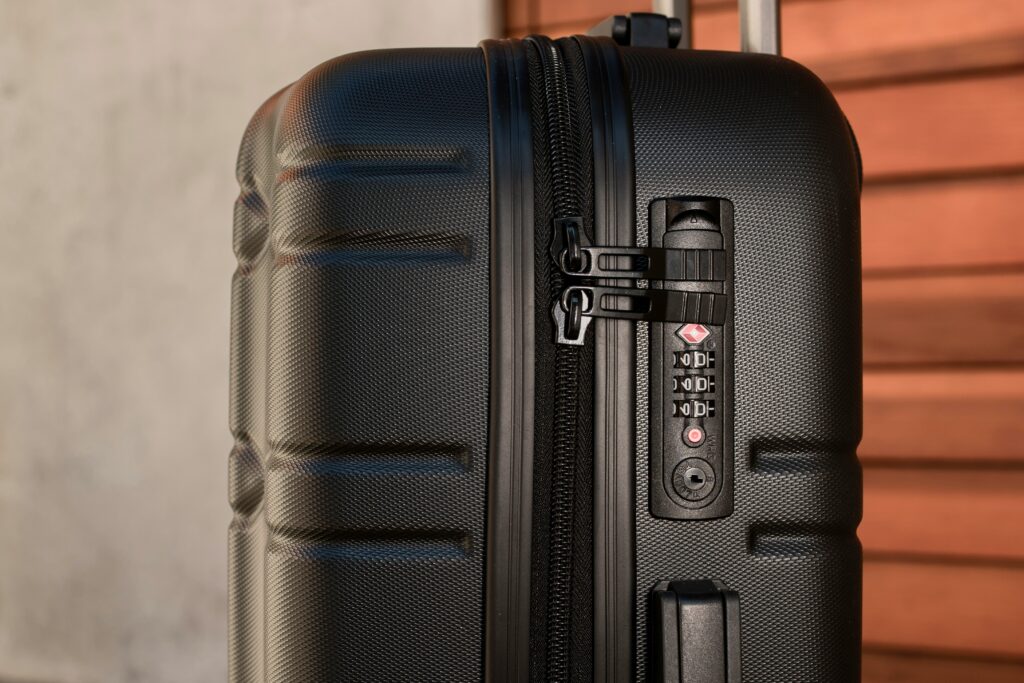
TSA locks are designed to keep your luggage secure while allowing airport security to inspect it. These locks use a special mechanism that TSA agents can open using a universal key. This means your lock stays intact even if your luggage needs to be checked. Understanding how TSA locks work helps you pick the right travel lock for stress-free travel.
Master Key Access
TSA agents have a set of special keys called master keys. These keys open TSA-approved locks without breaking them. Only authorized personnel have these keys, ensuring controlled access. This system allows quick inspection of your bags at security checkpoints.
Inspection Without Damage
With TSA locks, agents can check your luggage without cutting or damaging the lock. This prevents lost or broken locks during security checks. Your belongings stay safe, and your lock remains functional for your whole trip.
Travel Safety Benefits
TSA locks offer peace of mind by balancing security and convenience. They deter theft while allowing easy access for inspections. Using TSA-approved locks reduces the risk of luggage damage and keeps your items secure during travel.
Choosing Based On Travel Needs
Choosing the right travel lock depends largely on your specific travel needs. Different trips require different types of locks to keep your belongings safe and comply with security rules. Understanding your travel situation helps pick a lock that suits your luggage and destination.
Airport Security Requirements
Airports have strict security rules. Many require TSA-approved locks. These locks allow security agents to open and inspect your luggage without damage. Choose TSA locks if you travel by plane often. They help avoid broken locks and delays during security checks.
Type Of Luggage
Your luggage style affects lock choice. Hard-shell suitcases often work well with combination locks. Soft bags may need cable locks or straps. Small backpacks can use compact padlocks. Match the lock type to your bag for better security and ease of use.
Duration And Destination
Long trips need stronger locks. Short trips may need simple locks. Travel to high-risk areas calls for more durable locks. Consider weather conditions too. Metal locks may rust in humid places. Plastic-coated locks resist moisture better. Adjust your lock choice for time and place.
Hostel And Locker Use
Hostels often provide lockers for valuables. Choose small, easy-to-carry locks for these. Combination locks are popular as you don’t need keys. Pick locks that fit locker size. Make sure the lock is strong enough to protect your things.
Tips For Setting Combinations
Setting the right combination on your travel lock is crucial for keeping your belongings safe. A well-chosen code helps prevent unauthorized access while being easy for you to remember. Use simple tips to create a secure and unique combination that works best for your travels.
Choosing Unique Codes
Pick numbers that are not related to your personal life. Avoid birthdates, anniversaries, or phone numbers. Use random digits to make your lock harder to guess. Write down your code and store it somewhere safe. This reduces the risk of forgetting the combination during your trip.
Avoiding Common Patterns
Do not use simple sequences like 1234 or 0000. Avoid repeating numbers such as 1111 or 2222. Skip patterns like 2580, which follow straight lines on the dial. These are the first codes thieves try. Choose combinations that mix numbers unpredictably.
Resetting Your Lock
Learn how to reset your lock before traveling. Follow the instructions that come with your lock carefully. Usually, you must push a button or turn the shackle to reset. Set your new combination slowly and test it several times. Resetting ensures your code stays private and secure.
Credit: www.travelsentry.org
Troubleshooting Lock Issues
Travel locks can sometimes be tricky to use. Problems may occur with combinations or mechanisms. Knowing how to solve these issues can save time and stress. This section guides you through common troubleshooting steps for travel locks.
Finding Lost Combinations
Start by recalling any familiar numbers, like birthdays or anniversaries. Slowly try each digit from 0 to 9 on the first dial. Then move to the second and third dials, testing all possible combinations. Listen for clicks or feel for slight resistance, indicating the correct number. Write down each number as you find it. This method can take time but often works without tools.
Using Tension To Unlock
Apply steady pressure on the shackle or latch of the lock. While holding tension, rotate each dial slowly. Feel for a small “give” or looseness in the dial. This indicates the right number. Repeat this for all dials. Once all numbers are found, the lock should open. This technique requires patience but is effective for many combination locks.
When To Contact Manufacturer
Check your lock or luggage brand’s website for help. Some brands offer reset guides or customer support. Contact them if you cannot open or reset the lock. Provide the lock model and purchase details. Manufacturers may offer repair services or replacement parts. This step ensures you get official help and avoid damage.
Last Resort Options
If you must open the lock urgently, bolt cutters may work. Only use this if all other methods fail and you have no alternative. Keep in mind, cutting the lock will damage it permanently. Airport security can open TSA-approved locks during inspections. They cannot help if you are not traveling or lack proper documents. Use these options carefully to avoid further problems.
Additional Safety Tips
Choosing the right travel lock is just the first step in protecting your belongings. Extra safety measures can improve your travel security. Using the right tools and habits keeps your luggage safer. Here are some additional safety tips to enhance your travel lock experience.
Using Cable Locks For Versatility
Cable locks offer flexible protection for many types of bags. Their thin, strong cables can secure multiple zippers or attach bags together. These locks work well for backpacks, suitcases, and even lockers. Cable locks adjust to different sizes and shapes easily. They provide more options than standard padlocks.
Pairing Locks With Luggage Tags
Combine locks with clear luggage tags to improve security. Tags help identify your bag quickly if lost. Use tags with your contact details but avoid revealing too much personal information. A locked bag with a visible tag shows you care about your belongings. This small step can deter thieves and aid in quick recovery.
Keeping Locks Maintained
Regular maintenance keeps your travel locks working well. Check for rust, dirt, or damage before each trip. Clean locks gently with a soft brush and mild oil. Avoid forcing dials or keys to prevent breakage. Store locks in a dry place to extend their life. Well-maintained locks reduce the risk of failure during travel.

Credit: www.amazon.com
Frequently Asked Questions
Can Tsa Agents Open Tsa Locks?
TSA agents can open TSA locks using special master keys. This allows luggage inspection without damaging the lock or bag.
How To Figure Out Tsa Lock?
Apply tension on the shackle, then slowly turn each dial. Feel for slight resistance or clicks. When all dials align, the lock pops open.
How To Pick Tsa Lock Without Combination?
Apply tension to the shackle, then slowly turn each dial while feeling for slight resistance. Repeat until the lock opens.
Which Is Better, Tsa Lock Or Number Lock?
A TSA lock allows airport security to inspect luggage without damage. A number lock is simple and affordable. Choose based on travel needs and security preferences.
Conclusion
Choosing the right travel lock keeps your belongings safe and stress-free. Focus on durability, ease of use, and TSA approval if flying. Pick a lock that fits your luggage and travel style well. Simple designs often work best for quick access.
Remember, a good lock is a small step for peace of mind. Protect your bags wisely and enjoy your trip with confidence.