Are you wondering if wearing a sleep mask every night could harm your eyes? Sleep masks are popular for blocking out light and helping you get deeper rest.
But could they also cause irritation, dryness, or other issues? Before you reach for that mask again, it’s important to understand how they really affect your eye health. You’ll discover the potential risks of sleep masks, how to use them safely, and tips to protect your eyes while enjoying better sleep.
Keep reading to find out if your sleep mask is truly helping—or hurting—your eyes.
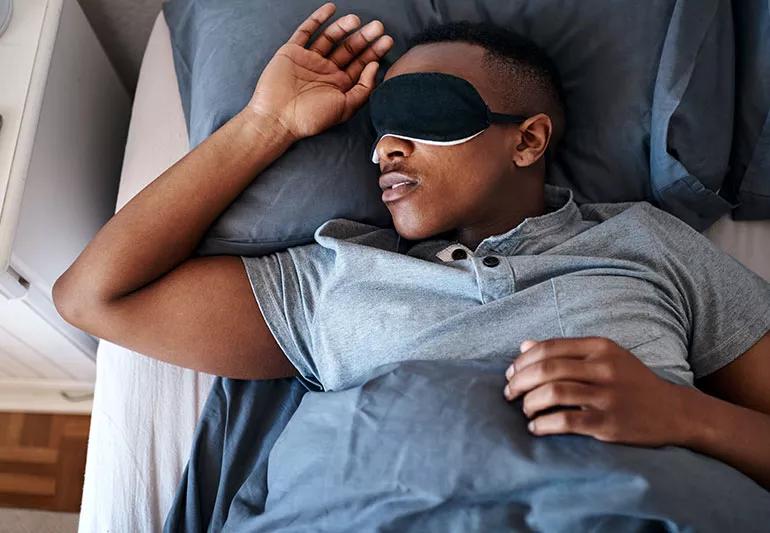
Credit: health.clevelandclinic.org
Benefits Of Sleep Masks
Sleep masks offer several benefits for better rest and eye care. They help create a dark, calm environment that supports deep sleep. Using a sleep mask can improve overall sleep quality and protect sensitive skin around the eyes. These advantages make sleep masks a practical choice for many people.
Improved Sleep Quality
Sleep masks block out unwanted light that can disturb sleep. Darkness signals your brain to produce melatonin, the sleep hormone. This helps you fall asleep faster and stay asleep longer. People in bright environments or with irregular sleep schedules find sleep masks very helpful. Better sleep improves mood, focus, and overall health.
Protection For Delicate Skin
The skin around your eyes is thin and sensitive. Sleep masks made from soft materials like silk reduce friction on this area. This gentle contact prevents irritation and fine lines caused by rubbing. Silk masks also keep skin hydrated by reducing moisture loss. Dermatologists often recommend silk masks for skin protection.
Light Blocking Advantages
Sleep masks provide complete light blocking, unlike curtains or blinds. They are useful for shift workers, travelers, or those in bright rooms. Blocking light helps maintain your natural sleep-wake cycle. This can reduce the chances of insomnia and improve sleep consistency. Masks also help during daytime naps by creating darkness anytime.

Credit: casper.com
Common Concerns With Sleep Masks
Sleep masks are popular for improving sleep quality by blocking out light. Yet, some users worry about their effects on eye health. Common concerns include skin problems, eye discomfort, and material allergies. Understanding these issues helps in choosing and using sleep masks safely.
Skin Irritation And Breakouts
Sleep masks can cause skin irritation if worn too long or if not cleaned. Dirt, sweat, and oils build up on the mask’s surface. This buildup clogs pores and leads to breakouts around the eyes and face. Using masks made from breathable, gentle fabrics can reduce irritation.
Eye Dryness And Irritation
Some sleep masks fit tightly and block air flow near the eyes. This can cause dryness or irritation, especially for people prone to dry eyes. Masks that allow some air circulation and do not press directly on the eyes help prevent discomfort.
Pressure On Eyes And Headaches
Tight straps or heavy masks may put pressure on the eyes or forehead. This pressure can cause headaches or worsen eye conditions like glaucoma. Choosing masks with adjustable, soft straps avoids excessive pressure and related pain.
Material Allergies
Cheap fabrics and dyes in some sleep masks can cause allergic reactions. Symptoms include redness, itching, and swelling around the eyes. Opt for hypoallergenic materials like silk or cotton to minimize allergy risks and protect sensitive skin.
Risks For Specific Groups
Sleep masks offer great benefits for many. They block light and improve sleep quality. Yet, some people face risks using them. Certain groups need more care and caution. Understanding these risks helps avoid problems.
This section highlights the risks for children, infants, and people with eye issues. It explains why sleep masks may not be safe for everyone.
Children And Infants
Sleep masks can be dangerous for young children and babies. Infants have delicate skin and sensitive airways. Masks may cause discomfort or breathing problems. Weighted masks pose a suffocation risk for babies.
Children might tug at masks or remove them during sleep. This can lead to choking hazards or eye injuries. Masks with tight straps can cause headaches or skin irritation. Parents should avoid using sleep masks for infants.
People With Eye Conditions
People with eye diseases must be careful using sleep masks. Conditions like glaucoma or dry eye worsen with pressure on the eyes. Tight masks may increase eye pressure or cause dryness. Masks that block air circulation can irritate sensitive eyes.
Eye infections are a risk if masks are not clean. Masks can trap sweat, oils, and bacteria near the eyes. Regular washing and proper fit are essential for safety. Consult a doctor before using a sleep mask with eye problems.
Choosing The Right Sleep Mask
Choosing the right sleep mask is key for eye health and comfort. A good mask blocks light without causing irritation or pressure. Poor choices may lead to dryness, headaches, or skin problems. Focus on material, fit, and breathability to pick the best option for restful sleep.
Material Matters
Soft, natural fabrics like silk and cotton reduce friction on delicate skin. They prevent irritation and allow the skin to breathe. Avoid cheap synthetic materials that cause allergies or trap sweat. Hypoallergenic materials help keep eyes healthy and comfortable.
Fit And Adjustability
A sleep mask should fit snugly but not squeeze the eyes. Adjustable straps offer a perfect fit for different head sizes. Tight masks can cause pressure on eyes and headaches. Choose one that stays in place without feeling too tight or loose.
Breathability And Comfort
Good breathability prevents moisture buildup and eye dryness. Masks with breathable fabrics keep air flowing around the eyes. Lightweight designs add comfort and reduce sweating. Comfort helps you wear the mask all night without disturbance.
Safe Sleep Mask Practices
Using a sleep mask can improve your rest by blocking out light. Safe sleep mask practices help protect your eyes and skin. Proper care prevents irritation and discomfort. Follow these simple tips to keep your eyes healthy while enjoying the benefits of sleep masks.
Regular Cleaning Tips
Clean your sleep mask often to remove oils and dirt. Wash it at least once a week with mild soap. Let it air dry completely before using it again. A clean mask reduces the risk of skin irritation and eye infections.
Avoiding Excessive Pressure
Choose a mask with adjustable straps to avoid tightness. Avoid pressing the mask too hard on your eyes. Too much pressure can cause discomfort or headaches. A gentle fit keeps your eyes relaxed and safe during sleep.
Replacing Old Masks
Replace your sleep mask every few months or when it wears out. Old masks may lose shape and cleanliness. Worn masks can irritate your skin and eyes. Using a fresh mask helps maintain good hygiene and comfort.
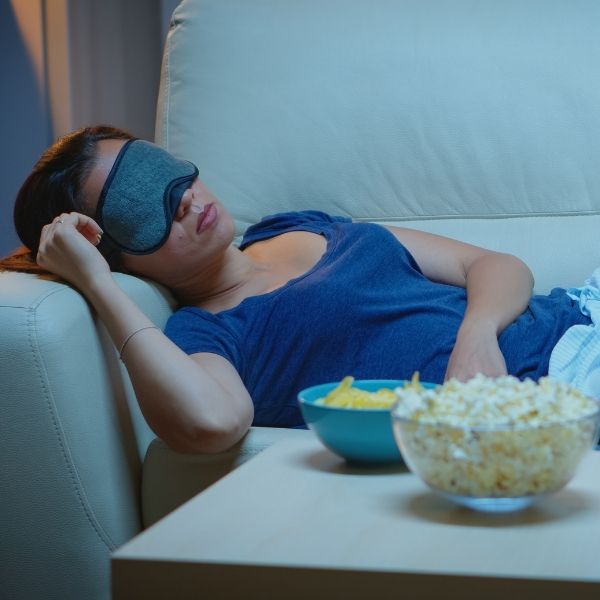
Credit: blissy.com
Potential Drawbacks To Consider
Sleep masks offer many benefits, but some drawbacks exist. Understanding these can help you use masks safely. Being aware of possible issues protects your eye health and comfort.
Discomfort And Restriction
Some sleep masks feel tight or heavy on the face. This pressure can cause discomfort or headaches. Masks that press on the eyes may even affect eye circulation. Poor fit leads to skin irritation or marks around the eyes. Choosing a soft, adjustable mask reduces these problems.
Impact On Natural Wake Cycle
Sleep masks block all light, which might delay waking up. Light helps regulate your body’s internal clock. Using a mask in the morning can make waking harder. This may disrupt your natural sleep rhythm. Using a mask only at night helps maintain your cycle.
Risk Of Infection
Dirty masks can trap sweat, oils, and bacteria. This buildup may cause eye infections or skin problems. Sharing masks increases the risk of spreading germs. Regular washing with mild detergent keeps masks clean. Always use a fresh, dry mask for each sleep session.
Frequently Asked Questions
Do Doctors Recommend Sleep Masks?
Doctors generally recommend sleep masks to improve sleep quality by blocking light. They advise choosing breathable fabrics and a proper fit to avoid irritation or pressure. Regular cleaning prevents skin issues. Sleep masks can benefit many but should be used carefully to avoid discomfort or eye problems.
Is It Bad To Sleep With A Sleep Mask Every Night?
Sleeping with a mask every night is generally safe if cleaned regularly and fits well. Avoid tight straps to prevent eye pressure or headaches. Choose breathable fabrics like silk to reduce skin irritation. Improper use can cause dryness or breakouts, so maintain hygiene and comfort for healthy sleep.
Are Sleep Masks Unhealthy?
Sleep masks are generally safe and improve sleep by blocking light. Clean masks regularly and ensure a comfortable fit to avoid irritation, dryness, or pressure headaches. Choose breathable materials like silk to protect skin and eyes. Avoid overly tight straps and replace dirty masks often for healthy use.
Can A Cpap Mask Cause Eye Problems?
A CPAP mask can cause eye dryness, irritation, or infections if it leaks air into the eyes. Proper fit and cleaning prevent issues.
Conclusion
Sleep masks can improve your sleep by blocking light effectively. They are safe if you choose the right material and fit. Dirty or tight masks can cause irritation, dryness, or headaches. Clean your mask often to avoid skin problems and infections.
Choose breathable fabrics like silk for comfort and skin health. Using sleep masks carefully helps protect your eyes and skin. Enjoy better sleep without risking eye discomfort or damage. Simple care makes a big difference in safe mask use.