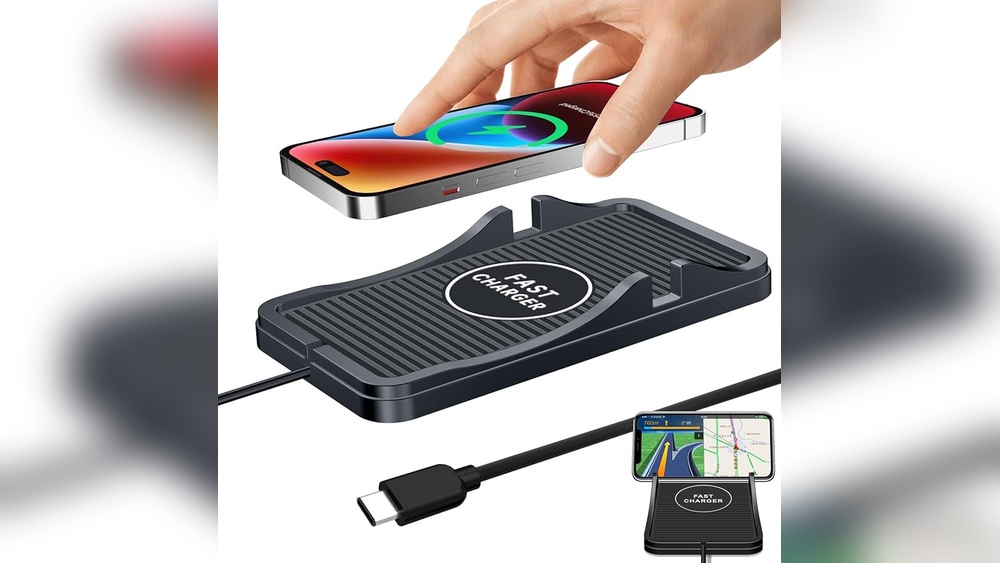
When it comes to wireless charging, you might wonder if choosing a 10W or 15W charger makes a real difference for your device. You want your phone ready to go quickly, but you also care about battery health and safety.
So, which power level gives you the best balance between speed and protection? You’ll discover the key differences between 10W and 15W wireless chargers, how they affect your charging experience, and which one suits your daily needs best. Keep reading to find out how to get the most from your wireless charging setup without risking your device.

Credit: www.amazon.com
Wireless Charging Basics
Wireless charging is a simple way to power up devices without cables. It uses a special pad or stand that sends energy to your phone through the air. This method is common in many modern smartphones and accessories. Understanding the basics helps you choose the right charger and wattage for your needs.
Let’s break down how wireless charging works, the common standards, and typical wattages you will find on the market.
How Wireless Charging Works
Wireless charging uses magnetic fields to transfer power. A charging pad creates an electromagnetic field. Your phone has a receiver coil that catches this field. The energy moves from the pad to your phone without wires. This process is called inductive charging. It requires close contact between the charger and device. The phone converts the received energy into battery power.
Qi Standard Explained
Qi is the most popular wireless charging standard. It ensures devices and chargers work well together. Most smartphones support Qi charging. The standard sets rules for power transfer and safety. Qi chargers come in many power levels. This standard helps avoid damage and overheating. It also ensures efficient energy use during charging.
Common Wattages
Wireless chargers usually offer 5W, 10W, or 15W power output. Five watts is basic and slow but works for most devices. Ten watts provides a faster charge without much heat. Fifteen watts offers the quickest wireless charging but may generate more heat. Higher wattage means faster charging but might affect battery temperature. Choosing the right wattage depends on your device and charging habits.
10w Wireless Charging
10W wireless charging offers a balanced approach for many users. It delivers a steady power level that fits well with everyday charging needs. This option is common in many wireless chargers and supports a wide range of devices. Understanding its features helps in choosing the right charger for your habits and devices.
Charging Speed And Efficiency
10W wireless charging provides moderate speed. It charges devices faster than 5W but slower than 15W chargers. The efficiency is good for daily use without stressing the battery. This power level suits users who charge their phones overnight or during long breaks. It keeps the battery stable and avoids fast charging heat spikes.
Heat Generation
Heat production is lower with 10W charging compared to higher wattages. This means less risk of overheating your device. Lower heat helps maintain battery health over time. Devices stay cooler, which can prevent slowdowns caused by temperature rise. This makes 10W chargers safer for prolonged charging sessions.
Ideal Use Cases
10W wireless charging works well for overnight charging. It fits users who don’t need quick top-ups. Perfect for home or office desks where phones stay charged for hours. Also good for older phones that do not support faster wireless charging. It balances speed and safety, ensuring a full charge by morning.
Device Compatibility
Most smartphones support 10W wireless charging as a standard. It works with many Android and some iPhone models. Devices that only support 5W charging can still use 10W chargers but will charge at their max speed. This power level ensures broad compatibility without risking device damage. Check your phone’s specs to confirm support for 10W charging.
15w Wireless Charging
15W wireless charging offers a faster way to power your devices without cables. It delivers more power than standard 10W chargers, cutting down charging time. Many modern phones support 15W wireless charging, making it a popular choice for quick top-ups.
This speed boost can be helpful in daily use, especially when you need your phone ready fast. Yet, it is important to know the benefits and limits of 15W wireless charging.
Faster Charging Benefits
15W wireless charging can charge your device up to 50% faster than 10W chargers. It saves time during short charging sessions. Quick charging means less waiting around for your phone. This benefit suits busy lifestyles and frequent phone use.
Potential Drawbacks
Faster charging may cause your device to heat up more. Excess heat can reduce battery life over time. Some chargers with 15W power are more expensive than lower wattage ones. Also, not all phones can handle 15W wireless charging safely.
Best Scenarios For Use
Use 15W wireless charging when you need a quick power boost. It works well at home, office, or places where you can place your phone down often. Ideal for modern phones that support fast wireless charging. Avoid using it continuously overnight to protect battery health.
Supported Devices
Many newer smartphones support 15W wireless charging. Brands like Samsung, Google Pixel, and some OnePlus models include this feature. Check your phone’s specifications to confirm compatibility. Using a 15W charger with unsupported devices may cause slower charging or no benefit.
Heat And Battery Health
Heat plays a big role in wireless charging and battery health. Charging speed affects how much heat your device produces. Too much heat can harm your battery over time. Choosing between 10W and 15W charging means balancing speed and temperature. Understanding this helps you protect your phone’s battery life.
Impact Of Charging Speed On Heat
Higher charging speeds, like 15W, generate more heat than 10W charging. This happens because faster charging pushes more power into the battery quickly. More heat can make your device warm or even hot. The 10W charger usually runs cooler, keeping your phone at a safer temperature.
Thermal Throttling Risks
When your phone gets too hot, it may slow down charging. This is called thermal throttling. It helps prevent damage by reducing power input. A 15W charger can trigger this faster than a 10W charger. Thermal throttling means slower charging after a certain heat point.
Long-term Battery Effects
Consistent heat stress harms battery health and capacity. Charging at 15W more often may reduce battery life quicker. The 10W charging creates less heat, which is gentler on the battery. Using a slower charger can help your battery last longer over many months.
Charging Speed Vs Convenience
Choosing between 10W and 15W wireless charging depends on what you value more: speed or convenience. Higher wattage means faster charging but can generate more heat. Lower wattage offers a slower charge that is gentler on your device. Understanding this balance helps you pick the best option for your daily routine.
Overnight Charging Benefits
Charging overnight allows your phone to reach full power without rush. A 10W charger works well here, providing a steady and safe charge. Less heat is produced, which protects your battery over time. You wake up with a fully charged phone, ready for the day.
Quick Top-ups
When time is short, a 15W charger offers faster power delivery. It can boost your battery quickly before heading out. This higher speed is useful for short charging sessions. Keep in mind, fast charging may warm your device more than slower options.
Daily Usage Tips
Use 10W charging when you can leave your phone resting for hours. Opt for 15W if you need quick energy boosts during busy days. Avoid using fast charging all the time to reduce battery wear. Let your phone cool down between fast charges for better battery health.

Credit: www.printmagic.com
Choosing The Right Wattage
Choosing the right wattage for wireless charging affects your device’s charging speed and safety. Picking between 10W and 15W depends on several factors. Understanding these can help you make the best choice for your needs.
Device Limitations
Not all devices support fast wireless charging. Some phones only accept up to 10W safely. Using a higher wattage charger may not increase speed and can cause overheating. Check your device’s specifications before buying a charger. Older models often perform better with 10W chargers.
Charger Quality And Features
High-quality chargers provide stable power and protect your device from damage. Look for chargers with features like temperature control and foreign object detection. Cheap chargers may deliver inconsistent power, reducing battery life. A 15W charger from a trusted brand often outperforms a low-quality 10W one.
Price Considerations
Generally, 15W chargers cost more than 10W chargers. Consider how much faster charging matters to you. If you charge mostly overnight, a 10W charger is a budget-friendly choice. For quick top-ups during the day, investing in a 15W charger might be worth it. Balance price against your charging needs and device compatibility.
Future Of Wireless Charging
The future of wireless charging holds exciting possibilities. New improvements aim to make charging faster and safer. Users want quick charging without damaging devices. The technology will adapt to meet these needs.
Emerging Technologies
Researchers develop new ways to charge devices wirelessly. Magnetic resonance and radio frequency are gaining attention. These methods can send power over longer distances. This means charging without placing the device on a pad. Expect more devices to support these methods soon.
Increasing Wattage Trends
Wireless chargers now offer higher wattage levels. From 10W to 15W and beyond, power keeps rising. Higher wattage means faster charging times. Phones and accessories get charged quicker than before. Still, compatibility with the device is key to safe charging.
Improved Heat Management
Heat is a big issue in wireless charging. Too much heat can reduce battery life. New chargers use better cooling systems to control heat. Some include smart chips to adjust power levels automatically. This helps keep devices cooler and charging efficient.
Credit: www.walmart.com
Frequently Asked Questions
Should I Get A 10w Or 15w Wireless Charger?
Choose a 10W wireless charger for slower, cooler, and budget-friendly charging. Opt for 15W to charge faster and support newer devices. Consider your phone’s compatibility and charging needs before deciding.
Is 10 W Wireless Charging Good?
Yes, 10W wireless charging offers a good balance of speed and convenience for most smartphones. It charges devices steadily without excessive heat. Ideal for daily use and overnight charging, it provides reliable performance but is slower than fast chargers above 15W.
Is 10w Considered Fast Charging?
A 10W charger provides standard charging speed, not fast charging. Fast charging usually starts at 18W or higher.
Is 15w Fast Charging For Magnetic Chargers?
Yes, 15W is considered fast charging for magnetic chargers. It provides quicker charging than standard wireless options.
Conclusion
Choosing between 10W and 15W wireless charging depends on your needs. A 10W charger offers steady, cooler charging that suits overnight use. The 15W charger fills your battery faster but may create more heat. Device compatibility matters; not all phones support 15W charging.
Consider your daily routine and phone model before deciding. Both options provide the convenience of wireless power without cables. Balance speed and heat for the best experience. Wireless charging remains a simple and effective way to keep your phone ready.