Are you wondering if you can use luggage locks for international travel? It’s a smart question because protecting your belongings while flying abroad is crucial.
You want to keep your suitcase safe from theft and accidental openings, but you also need to follow airport security rules. The key is knowing which locks are allowed and how to use them properly. You’ll discover why locking your luggage matters, which types of locks work best for international flights, and important tips to avoid damage or delays.
Keep reading to make sure your travel gear stays secure every step of the way.
Why Lock Luggage For Travel
Locking luggage during travel protects your belongings and improves your travel experience. It helps keep your items safe from theft and stops your bags from accidentally opening. Many travelers use locks for better control over their luggage. This simple step adds security and peace of mind.
Theft Deterrence
Locking your luggage makes it harder for thieves to access your items. It acts as a visible barrier that discourages opportunistic theft. Even if a lock does not stop a professional thief, it lowers the risk of casual theft. Thieves often choose easy targets, so locked bags are less appealing.
Preventing Accidental Opening
Luggage locks prevent zippers from opening by accident during travel. Bags move a lot on planes and in airports. Without a lock, zippers can snag or come undone. This can cause your belongings to spill out or get lost. Locks keep your luggage securely closed until you open it.
Peace Of Mind During Transit
Travel can be stressful, but locked luggage helps reduce worry. Knowing your bags are secure lets you relax more. You can focus on your journey, not on checking your luggage. This sense of security is valuable, especially in busy airports and crowded places.
Credit: travelpro.ca
Choosing The Right Lock
Choosing the right lock for your luggage is important for safe international travel. A good lock protects your belongings and allows airport security to inspect bags without damage. Selecting the correct type of lock helps avoid problems during security checks. It also stops your bag from opening by accident while moving through airports.
Tsa-approved Locks Benefits
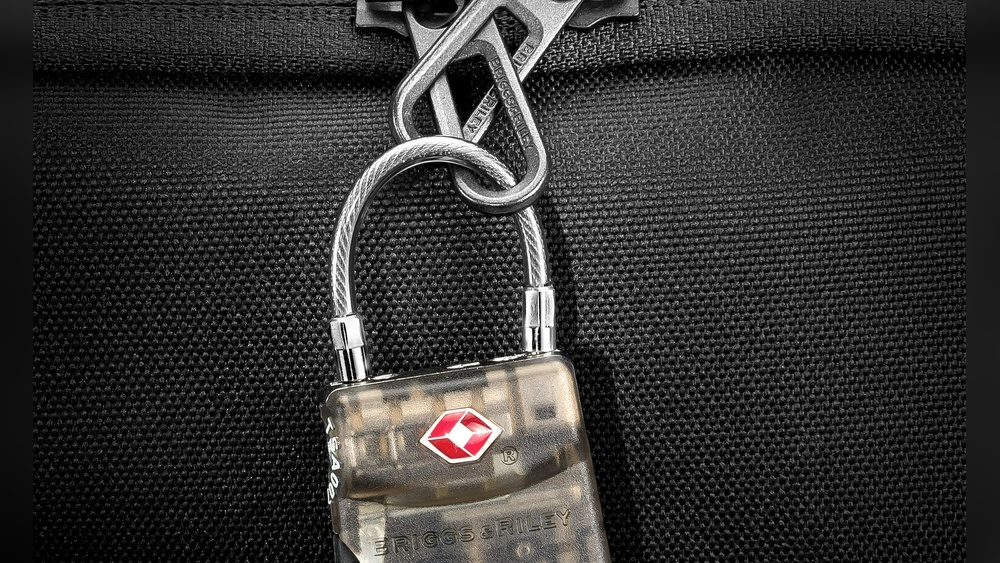
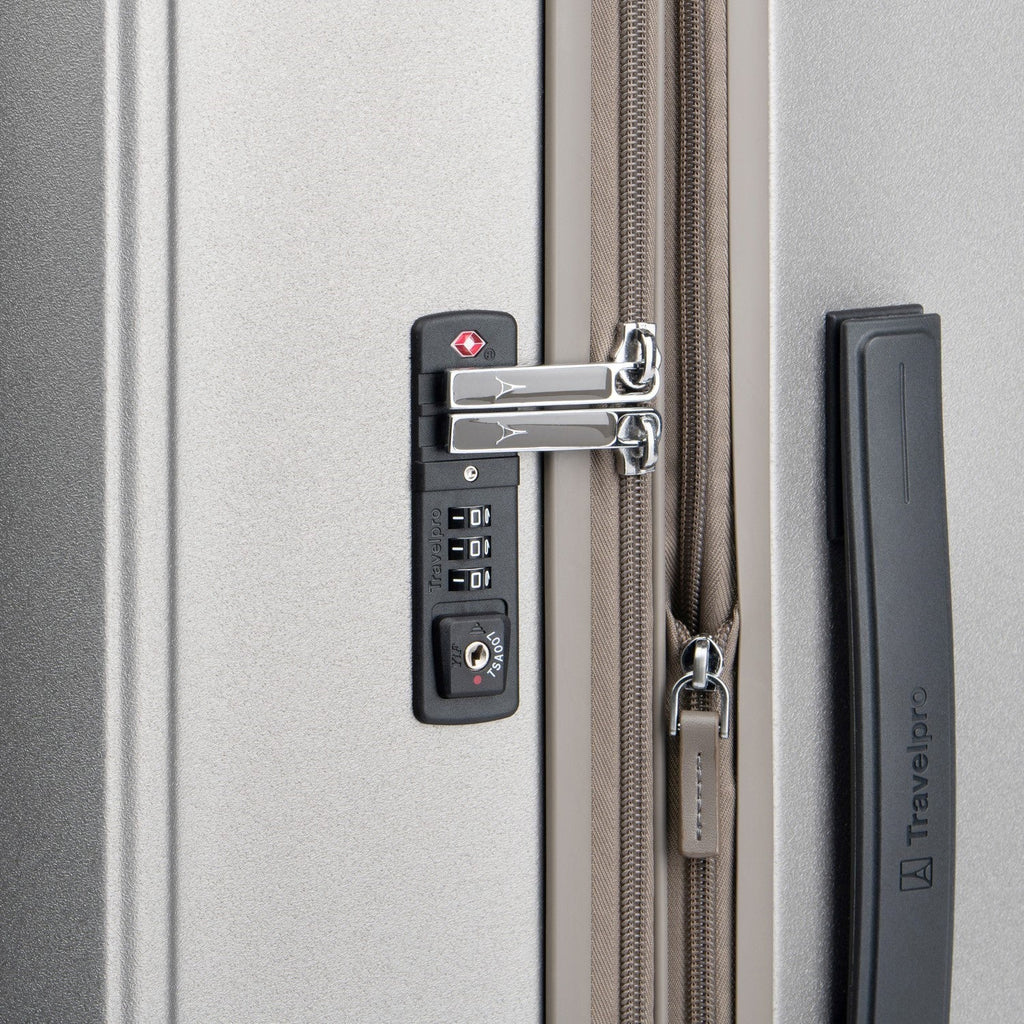
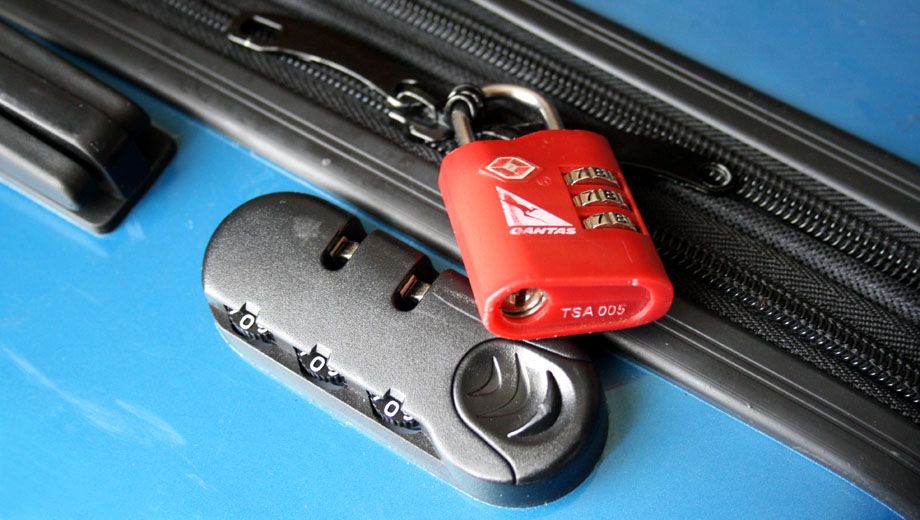
TSA-approved locks are designed for travelers. Airport security agents have special keys to open these locks. This means they can inspect your luggage without breaking the lock. Using TSA locks reduces the chance of damage to your bag. They add a layer of security but do not guarantee complete protection. These locks help keep your belongings safe and secure during your trip.
Zip Ties As Alternatives
Zip ties are a simple and cheap option. They keep your luggage closed and show if someone tried to open it. Security can cut zip ties easily for checks. You can replace them quickly after inspection. Zip ties are not as strong as locks but work well as a temporary solution. They help deter casual theft and prevent accidental openings.
Using Luggage Covers
Luggage covers protect your suitcase from scratches and dirt. They also hide zippers from easy access. Covers make it harder for thieves to use tricks to open your bag. Using a cover with a lock or zip tie increases security. Covers come in many colors and designs, helping you spot your bag fast. They add an extra layer of protection during travel.
Locks To Avoid
Choosing the right lock for international travel is vital. Some locks can cause more problems than protection. Avoid locks that might lead to damage or inspection delays. Understanding which locks to avoid helps keep your luggage safe and intact.
Non-tsa Locks Risks
Non-TSA locks cannot be opened by airport security. Officers may cut these locks to inspect your luggage. This can ruin your lock and damage your bag. Using non-TSA locks increases the chance of losing your lock. It may also cause delays in your travel schedule. Security checks are common on international flights. TSA-approved locks allow security to open and re-lock your bags. Avoid non-TSA locks for smoother inspections and less damage.
Limitations Of Locks Against Professionals
Locks cannot stop skilled thieves. Professional thieves use tools to open most locks quickly. Even TSA-approved locks offer only basic protection. Locks mainly prevent casual theft and accidental openings. Relying only on locks can give a false sense of security. Keep valuable items in your carry-on, not in checked bags. Use locks as one part of your travel security plan. Packing smartly is more important than just locking your suitcase.
Credit: www.esseg.eu
Packing Tips For Security
Keeping your luggage safe during international travel requires smart packing strategies. Simple steps can help protect your belongings and ease security checks. Follow these packing tips for better security and stress-free travel.
Keep Valuables In Carry-on
Always carry your important items with you. Passports, money, electronics, and jewelry belong in your carry-on bag. This keeps them close and reduces the risk of loss or theft. Checked luggage can be handled by many people. Carry-ons stay by your side, making it easier to watch your valuables.
Organizing For Easy Inspection
Packing your bags neatly helps airport security check your items quickly. Use clear packing cubes or bags to separate clothes, gadgets, and toiletries. Avoid packing banned items in your carry-on. Place liquids in a clear, resealable bag. Organizing your luggage reduces delays and keeps your belongings safe.
Tsa Lock Rules By Country
Understanding TSA lock rules by country helps travelers secure luggage properly. Each nation may have different regulations about TSA-approved locks. Knowing these rules avoids issues at airport security checkpoints. Travelers should check the specific rules for their destination before packing.
Countries Accepting Tsa Locks
Many countries accept TSA-approved locks for checked baggage. The United States, Canada, and Japan allow TSA locks. These countries have security agents with master keys to open locks if needed. Europe also accepts TSA locks in most airports. Some countries in Asia and Australia follow similar policies. Still, some nations do not recognize TSA locks and may cut them off during inspection.
Countries not accepting TSA locks include certain parts of South America and Africa. In these places, luggage may be opened manually, risking lock damage. Always verify the rules for your travel route to avoid surprises. Using TSA locks mainly protects your bags in countries with compatible security systems.
Airport Security Procedures
Airport security officers inspect luggage for safety and prohibited items. TSA locks allow officers to open bags without breaking the lock. They use special master keys designed for these locks. If a non-TSA lock is used, security might break it to check your bag.
During screening, security may open your luggage if they find suspicious items. TSA locks make this process smoother and keep your bag secure afterward. Some airports may still cut TSA locks if they lack master keys. Travelers should be aware of security practices in their departure and arrival airports.
:max_bytes(150000):strip_icc()/suitcase-tsa-lock-airport-LUGGAGELOCK0717-9363665fd6284954a1c1292533cbb21d.jpg)
Credit: landcruiserheaven.com
Additional Security Measures
Using luggage locks adds a basic level of protection for your bags during international travel. Still, combining locks with other security methods can improve safety. These extra steps help reduce risks and give you more control over your belongings.
Using Luggage Wraps
Luggage wraps are plastic films that cover your suitcase tightly. They protect your bag from scratches and dirt. They also make it harder for thieves to open your luggage unnoticed. Many airports offer wrapping services, or you can buy wraps to use yourself.
The wrap can slow down someone trying to access your bag quickly. It also shows if your bag has been tampered with. This visual alert helps you spot problems before you leave the airport.
Labeling And Tracking Your Bags
Clear labels with your name and contact details help airline staff return your luggage if lost. Use sturdy tags that won’t fall off during travel. Avoid showing your home address for safety reasons.
Tracking devices inside your luggage can alert you if your bag goes missing. Small GPS trackers connect to your phone and send updates on your bag’s location. This tech helps keep you informed and reduces stress during long trips.
Frequently Asked Questions
Should I Lock My Suitcase When Flying Internationally?
Yes, lock your suitcase when flying internationally to deter theft and prevent accidental openings. Use TSA-approved locks for security inspections without damage. Keep valuables in your carry-on, as locks only deter opportunistic thieves but do not guarantee full protection.
What Countries Accept Tsa Locks?
TSA locks are accepted mainly in the United States and countries recognizing TSA security standards. Many international airports allow TSA-approved locks for checked luggage. Using TSA locks ensures security personnel can inspect bags without damage. Always check specific country regulations before travel.
Does Tsa Allow Locks On Luggage?
TSA allows locks on luggage but requires TSA-approved locks for checked bags. These locks let security inspect bags without damage. Non-TSA locks may be cut. Locks deter theft and prevent accidental openings but don’t guarantee full security. Keep valuables in carry-on bags for safety.
Is Tsa Lock Required For International Travel?
TSA locks are recommended for international travel to secure checked bags and allow TSA inspections without damage.
Conclusion
Using luggage locks for international travel improves your bag’s security. Choose TSA-approved locks to avoid damage during airport checks. Locks help stop theft and keep your belongings inside. Remember, no lock is completely foolproof against skilled thieves. Keep valuables in your carry-on for extra safety.
Locking bags also prevents accidental openings in transit. Simple tools like zip ties or luggage wraps add protection too. Travel smart by combining these methods for peace of mind. Safe travels start with thoughtful packing and proper luggage security.