Are wireless power banks really worth your money? If you’re tired of dealing with tangled cables and searching for outlets when your phone battery runs low, the idea of charging without wires sounds perfect.
But before you spend on a wireless power bank, it’s important to know what you’re getting into. Can these devices deliver fast and efficient charging? Are they convenient enough to replace your regular power bank? You’ll discover the real pros and cons of wireless power banks so you can decide if they fit your lifestyle—and whether they’re truly worth buying.
Keep reading to find out what makes wireless charging stand out, and where it might still fall short.
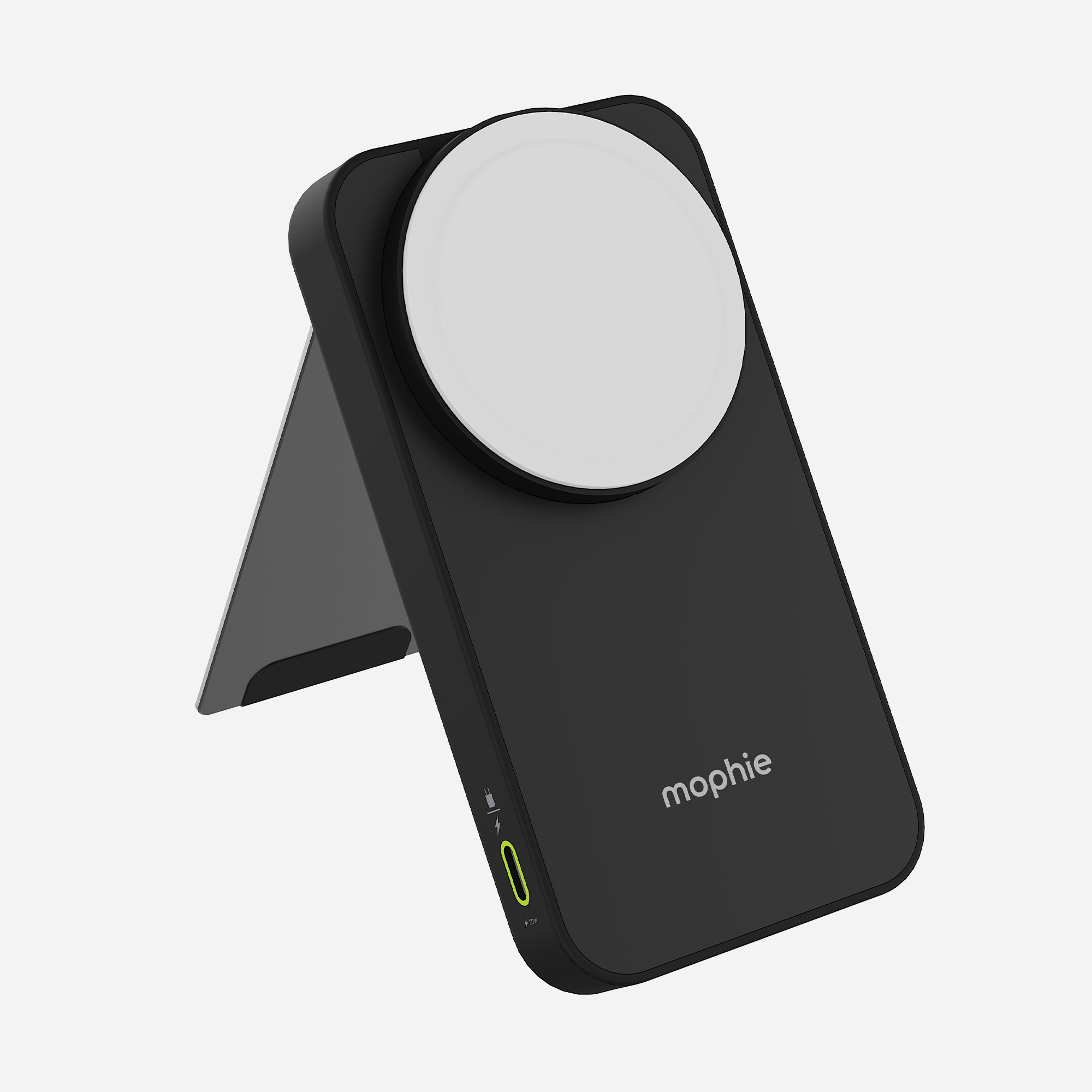
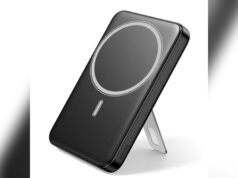
Credit: www.mophie.com
Wireless Power Bank Basics
Wireless power banks offer a simple way to charge devices without cables. They combine portability with the ease of wireless charging. Understanding their basics helps decide if they suit your needs.
These devices store power and send it to your phone or gadget using wireless signals. This method frees you from plugging and unplugging cords. It is ideal for quick top-ups and travel.
How Wireless Charging Works
Wireless charging uses electromagnetic fields to transfer energy. A coil inside the power bank creates a magnetic field. Your device’s coil picks up this field and converts it to electricity.
This process is called inductive charging. The device must be close to the power bank, usually on a flat surface. Proper alignment is key to efficient charging.
Types Of Wireless Power Banks
There are mainly two types of wireless power banks. One type supports only wireless charging pads. You place your phone on the pad to charge.
The second type combines wireless and wired charging. It offers more flexibility for different devices. These models often include USB ports for traditional charging.
Key Benefits
Wireless power banks offer several benefits that suit modern lifestyles. They simplify charging by removing cables and add convenience in daily use. These advantages make wireless power banks a practical choice for many users. Below are some key benefits that highlight why they might be worth buying.
Cord-free Convenience
Wireless power banks eliminate the need for charging cables. You just place your phone on the pad, and charging begins. This reduces clutter and makes charging simpler. No more searching for cables or dealing with tangled wires. It works well for quick charges on the go or at home.
Easy Device Placement
Placing your phone on a wireless power bank is straightforward. The flat surface supports the device securely. You do not need to plug in any connectors. This ease of use suits all ages and tech skills. It also lowers wear and tear on charging ports over time.
Compatibility With Modern Phones
Most new smartphones support wireless charging. This means the power bank works with many devices. You do not need special adapters or cables. It supports popular brands like Apple, Samsung, and Google. Compatibility ensures your device charges safely and efficiently.
Ideal For Desk And Overnight Use
Wireless power banks work well on desks or bedside tables. You can charge your phone overnight without handling cables. This setup keeps your space tidy and charging stress-free. It is perfect for people who want to keep their phone powered while resting or working.
Performance Factors
Performance matters most when choosing a wireless power bank. It affects how fast and efficiently your device charges. Several key factors influence this performance. These include charging speed, energy efficiency, heat production, and placement sensitivity. Understanding these can help decide if a wireless power bank suits your needs.
Charging Speed Compared To Wired
Wireless power banks usually charge slower than wired ones. Wired charging sends power directly through a cable, which is faster. Wireless charging uses electromagnetic fields, which take more time. Some wireless power banks support fast charging, but they still lag behind wired speeds. For quick power boosts, wired remains the best choice.
Energy Efficiency And Heat
Wireless charging wastes more energy than wired charging. Some power is lost as heat during the transfer. This makes wireless power banks less energy efficient. Heat can also affect the battery health of your device over time. Using a wireless power bank may lead to higher energy costs and shorter battery life.
Placement Sensitivity
Wireless power banks require precise placement of your device. The charging coil in the power bank must align with your device’s coil. Slight misplacement can stop charging or reduce speed. This makes wireless charging less convenient when compared to plugging in a cable. Careful positioning is necessary for best results.
Cost And Value
Assessing the cost and value of wireless power banks helps decide if they suit your needs. These devices offer convenience but come at a price. Understanding their cost compared to wired power banks reveals their true worth. Also, long-term expenses may affect overall value.
Price Comparison With Wired Power Banks
Wireless power banks generally cost more than wired ones. This price difference comes from the added wireless charging technology. Basic wired power banks are cheaper and easier to find. High-capacity wired models often cost less than wireless models with similar specs. The price gap narrows as wireless tech becomes more common.
Wired power banks offer faster charging at a lower cost. Wireless models charge slower, which may affect daily use. You pay extra for the comfort of cable-free charging. For many users, the price difference is the main concern.
Long-term Cost Considerations
Wireless power banks may lose efficiency over time. The charging coils can wear out, reducing performance. Wired power banks usually maintain consistent charging speeds longer. Energy loss during wireless charging can increase electricity costs slightly. Heat generated during wireless charging may reduce battery lifespan.
Replacing a wireless power bank could be more frequent than wired ones. Careful use and proper storage can extend device life. Consider how often you charge and your need for convenience. The total cost includes purchase price and potential replacements.
Limitations To Consider
Wireless power banks offer convenience but come with some limits. Understanding these helps in making a smart choice. This section covers key limitations to keep in mind before buying one.
Slower Charging Times
Wireless charging is usually slower than wired charging. It takes more time to fully charge your device. This delay can be frustrating if you need a quick power boost. The charging speed depends on the power bank’s output and your device’s compatibility. Some new models are faster but still lag behind wired options.
Heat Impact On Battery Health
Wireless charging generates extra heat during the process. This heat can affect your device’s battery life over time. Higher temperatures may reduce battery capacity and shorten its lifespan. Keeping your device cool while charging is harder with wireless power banks. Heat buildup is a common issue to watch out for.
Device Usability During Charging
Using your phone while it charges wirelessly can be tricky. The device must stay aligned on the charging pad. Moving it even slightly may stop the charging. This limits your ability to answer calls or browse comfortably. Wired charging allows more freedom to use your device without interruptions.
Who Benefits Most
Wireless power banks offer unique benefits for certain users. They suit people who want easy charging without cables. Knowing who gains most helps decide if wireless power banks fit your needs.
Users Prioritizing Convenience
People who dislike tangled cables enjoy wireless charging. It lets them charge phones by simply placing them on the pad. This ease suits busy lifestyles and simple desk setups. No need to find the right cable or plug it in.
Owners Of Compatible Devices
Wireless power banks work best with devices that support wireless charging. Many newer smartphones and earbuds have this feature. Users of these gadgets get the full benefit without extra adapters. Older devices may not charge wirelessly, limiting usefulness.
Suitable Use Cases
Wireless power banks fit well for slow, steady charging like overnight or at the office. They are not ideal for quick top-ups or fast charging needs. Travelers or those without easy plug access also find them handy. Simple charging without cables reduces hassle in daily routines.
Wireless Vs Wired Power Banks
Choosing between wireless and wired power banks depends on your charging needs and habits. Both types offer portable power, but they differ in how they deliver energy to your devices. Understanding these differences helps you pick the right power bank for everyday use.
Speed And Reliability
Wired power banks usually charge devices faster than wireless ones. Wired connections provide a steady and consistent flow of power. Wireless charging often takes more time because energy transfers through induction. Charging speed can slow down if the device is not aligned well on the pad. Wired power banks work with almost any device and cable, making them more reliable. Wireless power banks require compatible devices that support wireless charging.
Energy Loss And Efficiency
Wireless power banks lose more energy during charging. Energy transfers through the air, causing some power to turn into heat. This makes wireless charging less efficient than wired charging. Wired power banks deliver power directly through a cable, minimizing energy loss. Lower efficiency means wireless chargers can drain their battery faster. This factor affects how long the power bank can charge your devices overall.
Cost And Usability Differences
Wireless power banks tend to cost more than wired ones. The technology inside wireless chargers is more complex, increasing the price. Wired power banks are usually cheaper and come in many sizes. Using a wired power bank means plugging and unplugging cables, which some find inconvenient. Wireless power banks offer a cable-free experience but need precise device placement. Wireless charging can limit device use during charging because the device must stay on the pad.

Credit: hubeltd.com
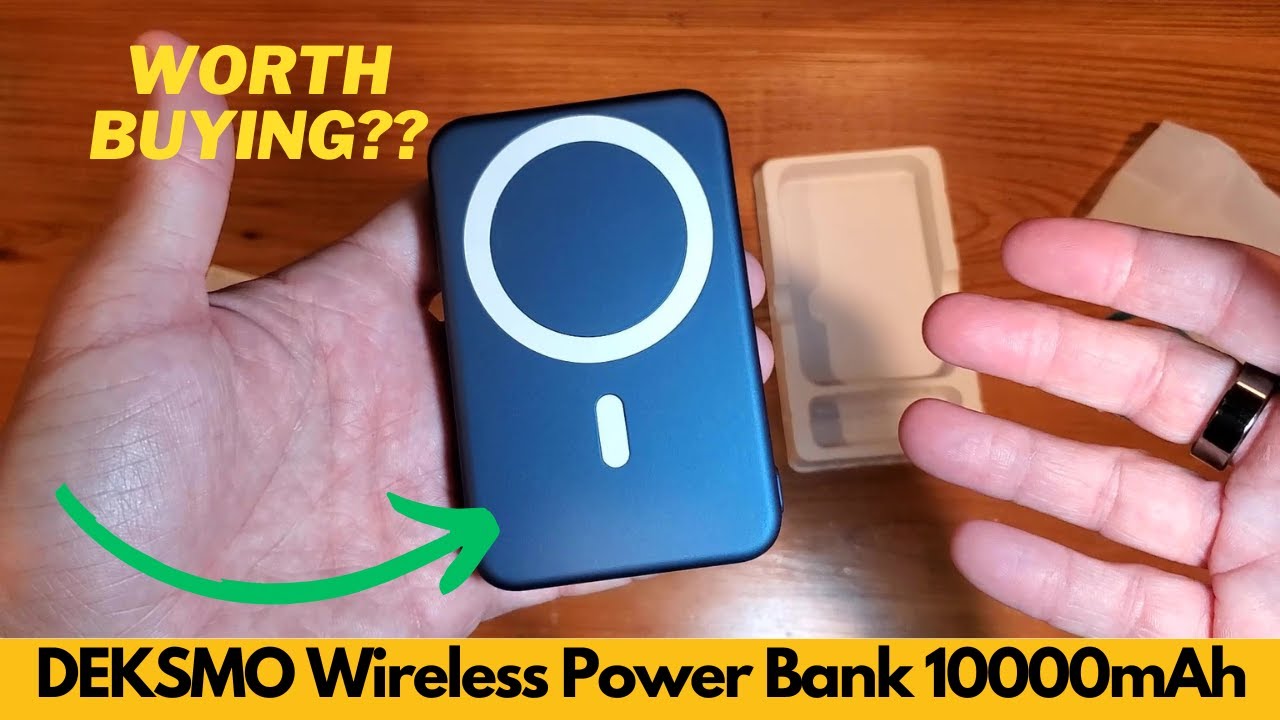
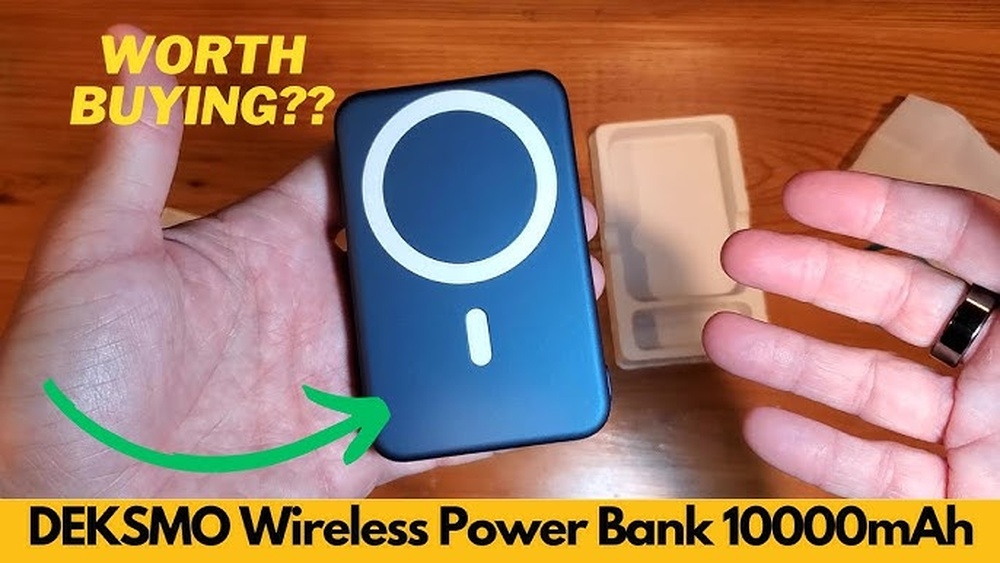
Credit: www.youtube.com
Frequently Asked Questions
Which Is Better, Wireless Or Wired Power Bank?
Wired power banks charge devices faster and with higher efficiency. Wireless power banks offer convenience but have slower speeds and higher costs. Choose wired for speed and reliability; choose wireless for cable-free ease during overnight or desk charging.
What Are The Downsides Of Wireless Charging?
Wireless charging is slower and less efficient than wired charging. It generates heat, requires precise placement, limits device use, and costs more.
What Are The Disadvantages Of Wireless Power?
Wireless power has slower charging speeds and lower energy efficiency. It generates heat, limiting device use during charging. Precise alignment is necessary, and costs are higher than wired options. Wireless charging pads still require wall power, so they aren’t fully cable-free.
What Are The Benefits Of Wireless Power Bank?
Wireless power banks offer cable-free charging, convenience, and reduce wear on device ports. They support easy, portable charging anywhere.
Conclusion
Wireless power banks offer clear convenience without tangled cables. They charge devices quietly, making them great for desks or nightstands. Charging speed is usually slower than wired options. Some energy is lost as heat, which may affect battery life. Precise device placement matters for effective charging.
They tend to cost more and need their own power source. Consider your daily habits and device compatibility before buying. Wireless power banks suit those valuing ease over speed. They are a useful, simple tool for charging on the go.