You rely on your devices every day, and running out of battery at the worst moment is frustrating. So, you might be wondering if a solar power bank is the perfect solution to keep your phone charged anywhere, anytime.
But are these gadgets really worth buying? Can they deliver the power you need, or are they more of a marketing gimmick? You’ll discover how solar power banks work, their real strengths, and their hidden limitations. By the end, you’ll know exactly whether investing in one makes sense for your lifestyle—or if you should look for better options to stay powered on the go.
Keep reading to find out the truth behind solar power banks.

Credit: www.amazon.com
How Solar Power Banks Work
Understanding how solar power banks work helps decide if they fit your needs. These devices use sunlight to charge an internal battery. Then, you use this stored energy to power your gadgets. The process involves converting sunlight, storing energy, and delivering it to your devices.
Energy Conversion Process
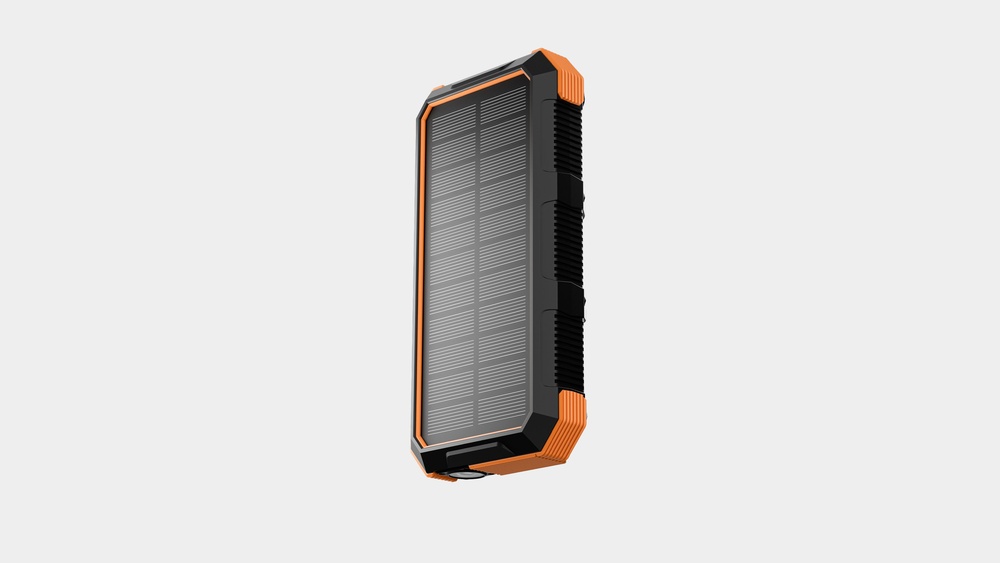
Solar panels on power banks capture sunlight. They use photovoltaic cells to change light into electricity. This electricity is direct current (DC). The power bank then directs this energy into its battery for storage. The conversion is simple but limited by the panel size.
Charging Speed Limits
Solar panels on power banks are small. They produce low power compared to wall chargers. Full charging may take many hours or days in strong sunlight. These banks are best for slow, emergency charging. They cannot quickly recharge large batteries from the sun alone.
Battery Storage Basics
Inside the power bank is a lithium-ion battery. It holds energy for later use. The battery supplies power to your phone or device. Overcharging from the sun is prevented by built-in controls. Heat from direct sun can harm the battery, so care is needed.

Credit: www.amazon.com
Performance And Limitations
Solar power banks offer a green way to charge devices, but their performance has limits. Understanding these limits helps in deciding if they fit your needs. They can charge slowly and work best as backup power sources rather than main chargers.
Slow Solar Charging
Solar panels on power banks are usually small. They capture only a little sunlight at once. This means charging the bank by sun alone takes a long time. It can take hours or even days under strong sunlight to fully charge. Slow charging makes them less useful for quick power needs.
Supplemental Power Role
Solar power banks are good for topping up battery life. They keep your device alive during emergencies or outdoor trips. They work well as a backup power source when no outlets are near. Using them as the main charger is not practical. They add small amounts of power over time.
Device Vs Bank Charging Rates
Charging a phone from the power bank is faster than charging the bank itself via solar. The bank’s battery can release power quicker than the panel can collect it. This means the bank gives out energy faster than it can store solar energy. Expect slower recharge times for the bank compared to your device.
Ideal Use Cases
Solar power banks serve specific needs well. Their design suits certain situations better than others. Knowing ideal use cases helps decide if one fits your lifestyle.
Emergency Power Backup
Solar power banks provide power during unexpected outages. They keep phones and small devices running. This is crucial when no other power source exists. They offer a slow but steady charge. Perfect for short-term emergencies.
Outdoor And Camping Benefits
These power banks shine outdoors. Campers can recharge devices without electricity. They rely on sunlight, which is often abundant outdoors. This reduces the need to carry heavy batteries. Ideal for hiking, camping, and long trips.
Extended Sunlight Advantages
Solar banks work best in places with long daylight hours. More sun means more charge throughout the day. This extends device use without plugging into outlets. Useful in sunny regions or during summer months. They provide a reliable power source over time.

Credit: www.youtube.com
Risks And Drawbacks
Solar power banks offer convenience but come with some risks and drawbacks. Understanding these issues helps in making a smart choice. These drawbacks can affect performance and safety.
Overheating Issues
Solar power banks often face overheating problems. Leaving them under direct sunlight for long periods can cause the battery to heat up. High temperatures may damage the lithium-ion cells inside. Overheating reduces battery life and may cause safety hazards. Users should avoid exposing the power bank to extreme heat.
Fragility Of Solar Panels
The solar panels on these power banks are delicate. They are usually thin and prone to cracks or scratches. Dropping or rough handling can easily damage the panels. Damaged panels lower the charging efficiency or stop working entirely. Extra care is needed to keep the panels intact during travel or outdoor use.
Weather Dependency
Solar power banks depend heavily on weather conditions. Cloudy or rainy days reduce the sunlight available for charging. This leads to very slow or no charging at all. Inconsistent solar energy makes them unreliable as a primary power source. Users should have alternative charging options in poor weather.
Buying Tips
Buying a solar power bank requires careful thought. These devices offer convenience, but they have limits. Knowing what to expect and how to choose the right model helps avoid disappointment. Here are key tips for making a smart purchase.
Setting Realistic Expectations
Solar power banks charge slowly under sunlight. They cannot fully recharge quickly or replace wall outlets. Use them mainly for small boosts or emergencies. Understand they work best as backup chargers, not main power sources. This mindset helps avoid frustration with slow charging times.
Choosing Durable Models
Look for power banks with sturdy cases and water resistance. Outdoor use demands durability against drops and weather. Materials like rubber edges or tough plastic add protection. A compact and lightweight design improves portability for hiking or camping. Check reviews for real-world durability reports before buying.
Battery Safety Considerations
Solar power banks use lithium-ion batteries that can overheat in strong sun. Avoid leaving them in direct heat for long periods. Choose models with built-in safety features like overcharge and temperature protection. These features help prevent battery damage and increase the device’s lifespan. Always follow the manufacturer’s safety advice.
Better Alternatives
Solar power banks seem convenient but have limits. Their small solar panels charge very slowly. Many users find better options exist for reliable power on the go. Consider alternatives that provide faster and more efficient charging. These choices suit different needs and budgets.
Dedicated Solar Panels
Dedicated solar panels offer much higher power output. They capture more sunlight and convert it efficiently. These panels can charge devices or power banks quickly. Many come with USB ports or adapters for easy connection. They work well for long trips or off-grid living. Though bulkier than solar power banks, they deliver real solar charging power.
Standard Power Banks
Standard power banks rely on wall charging, offering fast and reliable power. They hold large battery capacity and recharge in hours. These banks provide consistent energy for multiple device charges. They do not depend on weather or sunlight. For everyday use, standard power banks outperform solar models in speed and efficiency.
Hybrid Charging Solutions
Hybrid chargers combine solar panels and traditional charging methods. They allow charging from the sun or a wall outlet. This flexibility ensures power availability anytime. Hybrid devices balance portability and charging speed. Users get solar backup without sacrificing quick recharges. These solutions suit travelers and outdoor enthusiasts who want options.
Frequently Asked Questions
Do Solar-powered Power Banks Really Work?
Yes, solar-powered power banks work but charge very slowly due to small panels. They serve best as emergency or backup chargers.
What Is The Disadvantage Of A Solar Power Bank?
Solar power banks charge slowly and depend on sunlight availability. Their small panels are fragile and less durable than standard power banks.
Why Is My Electric Bill So High If I Have Solar Panels?
High electric bills with solar panels may result from high energy use, limited sunlight, or system inefficiencies. Check panel output and shading.
How Long Do Solar Power Banks Last?
Solar power banks typically last 2 to 3 years with regular use. Battery capacity decreases after 300-500 charge cycles. Proper care extends lifespan.
Conclusion
Solar power banks offer slow, steady charging using sunlight. They work best as backup chargers during outdoor trips or emergencies. Do not expect fast or full recharges from solar panels alone. Overheating risks exist if left in strong sun too long.
These devices suit occasional use, not daily heavy charging needs. Consider your power needs before buying one. Small solar panels cannot replace wall outlets. Use solar power banks to keep devices alive when off-grid. They add convenience but have clear limits.
Choose wisely for your lifestyle and charging habits.